
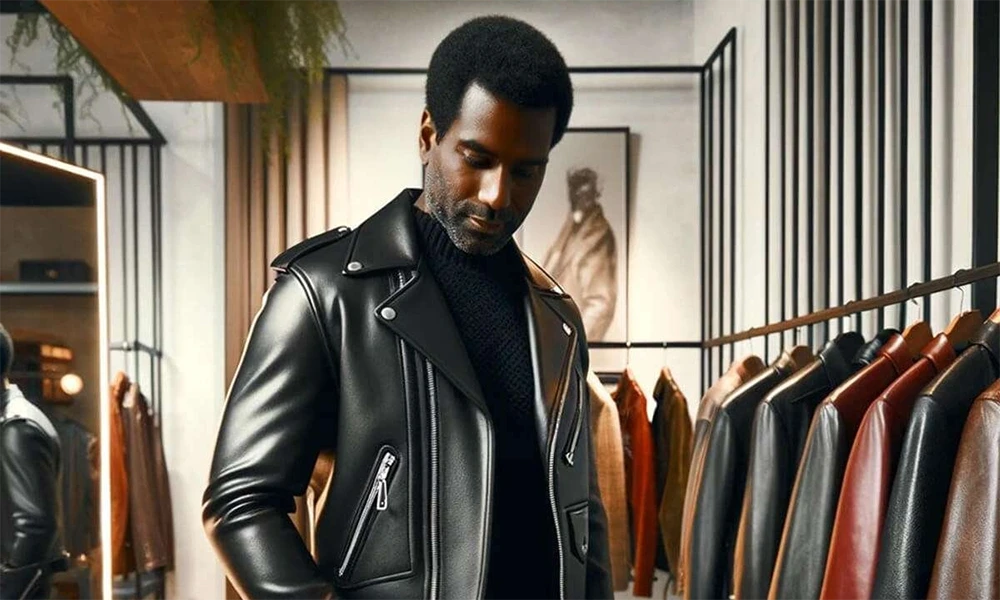
Leather jackets have remained a cornerstone of masculine and feminine fashion for over a century, but not every jacket is built to handle freezing temperatures. Choose the Best Winter Leather Jackets requires more than just picking a style you love; it means understanding insulation, hide thickness, and functional design. Whether you are looking for a warm leather jacket for men built for harsh city winters or a rugged piece engineered for snowy getaways, selecting the right leather jacket for cold weather can make all the difference. This guide explores everything you need to know to make a confident, informed investment at LVH Leather.
This guide explores the technical and stylistic aspects of choosing a winter-ready leather jacket. Whether you are navigating city streets or preparing for a snowy getaway, understanding these variables will ensure that your investment at LVH Leather lasts a lifetime while keeping you exceptionally warm.
1. Understanding Leather Materials for Cold Weather
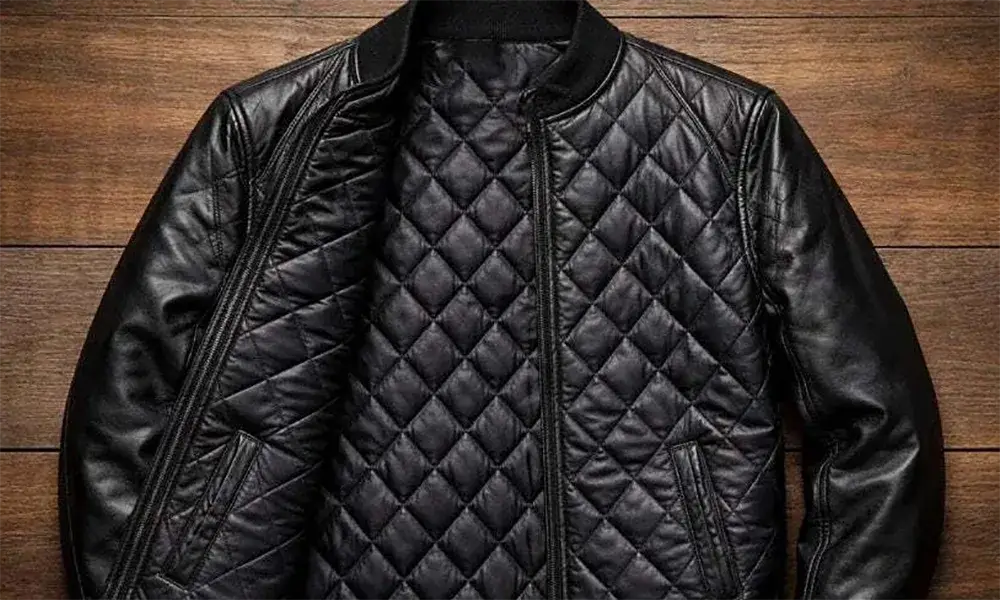
The primary function of Choose Best Winter Leather Jackets leather in winter is to act as a windbreaker. Leather is naturally windproof because of the dense fiber structure of animal hides. However, different hides offer varying levels of thermal retention and durability.
Cowhide and Buffalo Leather
Cowhide is the most common leather used for heavy-duty winter jackets. It is thick, heavy, and exceptionally durable. Because of its weight, it provides a natural barrier against harsh winds. Buffalo leather is similar but often features a more pronounced grain pattern. Both are excellent choices for extreme cold because they do not tear easily and can support heavy internal linings. According to Leather Dictionary, cowhide is the standard for protective outerwear due to its high tensile strength.
Sheepskin and Shearling
If warmth is your absolute priority, sheepskin is the gold standard. Unlike other jackets where the lining is sewn in separately, shearling is a single layer of sheepskin with the wool still attached. The wool acts as a natural insulator by trapping air pockets, which creates a thermal barrier around the body. This material has been used since World War II in aviation “B-3” flight jackets to keep pilots warm at high altitudes.
Lambskin
Lambskin is much softer and lighter than cowhide. While it is incredibly comfortable and offers a luxury feel, it is thinner. If you choose a lambskin jacket for winter, ensure it features a heavy quilted lining or a layer of synthetic insulation to compensate for the thinner hide.
Goatskin
Goatskin is an underrated winter material. It is naturally supple and contains lanolin, which makes it more water-resistant than cowhide. This makes it an ideal choice for climates where winter brings more wet snow and sleet than dry cold.
2. The Science of Insulation: Why Linings Matter
A leather shell alone will not keep you warm in sub-zero temperatures. Leather is a conductor of heat, meaning it can actually become cold to the touch in winter. The real warmth comes from the lining.
Natural Wool and Fur
Natural fibers like wool or alpaca are superior for moisture-wicking and heat retention. They allow the body to breathe while preventing heat from escaping. Many high-end jackets use faux fur or real shearling collars to protect the neck, which is a high-heat-loss area.
Quilted Polyester and Thinsulate
Modern engineering has introduced synthetic insulators like 3M Thinsulate, which provide incredible warmth without adding bulk. Quilted linings are also effective because the diamond-shaped stitching prevents the insulation from shifting, ensuring an even distribution of heat across your torso.
Satin and Rayon
While satin looks premium, it provides almost zero warmth. If your leather jacket has a thin satin lining, it is likely designed for spring or fall. For winter, always look for “quilted,” “insulated,” or “shearling-lined” descriptions.
3. Essential Design Features for Winter Protection
A winter leather jacket must be more than just a piece of clothing; it must be a shield. Several design elements can make a significant difference in how you feel when the temperature drops.
Storm Flaps
A storm flap is a piece of leather that covers the zipper. Zippers are notorious for letting cold air leak into the jacket. A buttoned or snapped storm flap creates a seal that prevents wind from penetrating the closure.
Ribbed Cuffs and Hem
Bomber-style jackets often feature ribbed knit cuffs and waistbands. These are essential for winter because they “cinch” the jacket against your skin. This prevents cold air from blowing up your sleeves or under the hem of the jacket.
High Collars and Throat Latches
In the winter, your neck is highly vulnerable. Jackets like the “Mao collar” or the classic “Double Rider” with a throat latch allow you to buckle the collar up around your chin. This eliminates the need for a scarf in moderately cold weather.
4. Iconic Winter Leather Styles
Choosing a style is about more than just aesthetics; it is about how the jacket fits into your lifestyle and the specific weather conditions of your region.
The Aviator or Flight Jacket
Originally designed for pilots in unheated cockpits, the Aviator jacket is the ultimate winter garment. It usually features a full shearling lining and a heavy-duty collar. It is bulky, but it is arguably the warmest piece of leather outerwear ever created.
The Leather Parka or Trench
For those living in regions with extreme snowfall, a standard waist-length jacket might not be enough. A leather parka extends down to the mid-thigh or knees. This added length protects the hips and upper legs, which can be a lifesaver during long walks in the cold.
The Puffer Leather Jacket
A relatively modern trend, the leather puffer jacket combines the classic look of leather with the extreme insulation of down feathers. These jackets are specifically engineered for the coldest urban environments.
5. Fit and Layering: The Technical Aspect
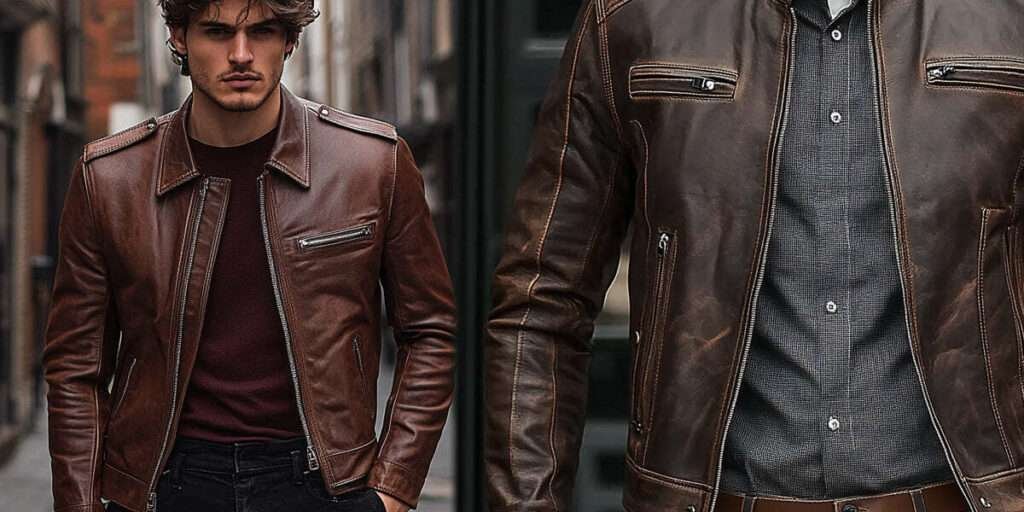
When buying a leather jacket for winter, the fit should be slightly different than a summer fashion jacket. You must account for the “Two-Finger Rule.” You should be able to fit two fingers comfortably between your body and the jacket while wearing a sweater.
If a jacket is too tight, it will compress your clothing and eliminate the air pockets needed for insulation. Conversely, if it is too loose, cold air will circulate inside the jacket and pull heat away from your body. According to Fit Custom Clothing, proper ease in a garment is essential for both comfort and thermal efficiency.
6. Weatherproofing and Maintenance
Winter is the harshest season for leather. Road salt, melting snow, and dry indoor heating can cause leather to stiffen and crack.
Water Repellency
While leather is naturally water-resistant, it is not waterproof. Before the first snowfall, apply a high-quality leather protector spray. This creates a hydrophobic barrier that causes water to bead off the surface rather than soaking into the pores of the hide.
Conditioning
Cold air is dry air. It sucks the natural oils out of the leather. Use a wax-based leather conditioner every few months during the winter to keep the hide supple. Avoid using heavy oils like mink oil on light-colored leathers, as they can significantly darken the appearance.
Salt Removal
If you get road salt on your jacket, wipe it off immediately with a damp cloth. Salt is a desiccant that will permanently damage the leather fiber structure if left to sit.
7. Frequently Asked Questions
Is a leather coat warmer than a wool coat?
Leather is a better wind-blocker than wool. However, wool is often a better insulator. The warmest combination is a leather shell with a wool or shearling lining.
Can I wear my leather jacket in the snow?
Yes, provided the leather is treated. Ensure you dry the jacket naturally at room temperature if it gets wet. Never place it near a radiator, as direct heat will cause the leather to become brittle.
Which animal leather is the most durable?
Cowhide and goat leather are known for their extreme durability. Lambskin is more prone to scuffs and tears.
8. Why Quality Craftsmanship Matters
In the world of fast fashion, many retailers sell “genuine leather” jackets that are actually made from bonded leather scraps. These materials do not have the natural thermal properties of top-grain or full-grain leather. Investing in a high-quality piece from a reputable source like LVH Leather ensures that you are getting a garment that provides actual protection.
High-quality jackets use YKK zippers, which are less likely to freeze or snag in cold weather. They also feature reinforced stitching that can handle the added tension of thick winter layering.
Conclusion
Choosing the right leather jacket for winter is a balance of material science and personal style. By prioritizing heavy hides like cowhide or shearling and ensuring your jacket features a technical lining, you can stay warm in the harshest conditions. A well-chosen leather jacket does more than just complete an outfit; it serves as a reliable companion against the elements.
Explore the premium collection at LVH Leather to find a jacket that combines these essential winter features with unparalleled craftsmanship. Your winter wardrobe deserves an investment that will age beautifully and keep you warm for decades to come.