
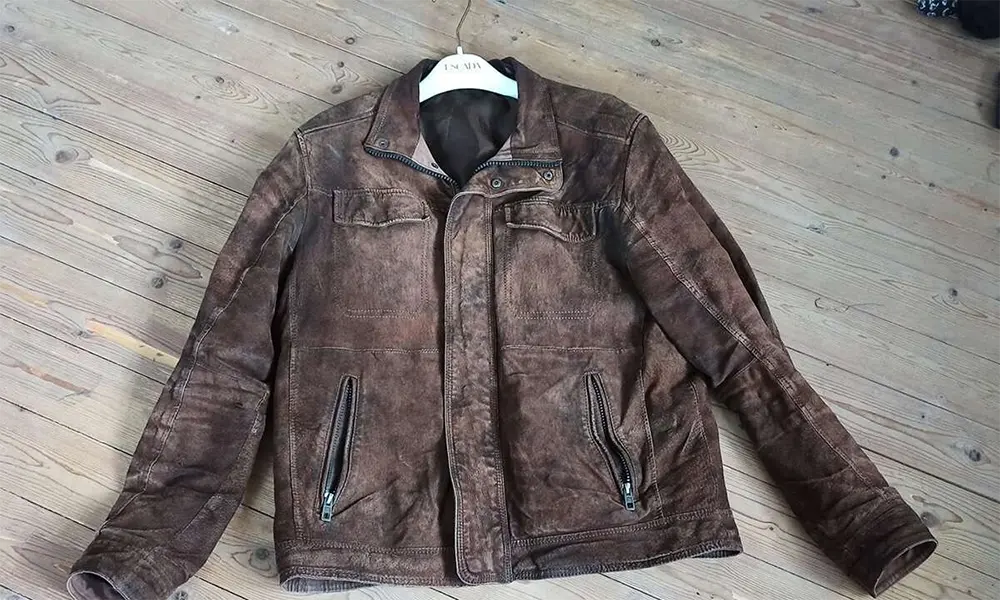
A premium leather jacket is more than just a piece of outerwear. It is a significant investment, a style statement, and a durable companion that can last for decades if treated with respect. However, nature is unpredictable. Whether you get caught in a sudden torrential downpour or accidentally spill a drink, water is one of the most common threats to the structural integrity of high-quality leather.
When your Leather Jacket Gets Wet, many owners panic and resort to quick-fix drying methods that actually do more harm than good. Understanding the relationship between moisture and animal hide is the first step in preserving your garment. This guide provides a professional, step-by-step framework to dry, restore, and protect your leather jacket, ensuring it remains as supple and beautiful as the day you bought it from LVH Leathers.
The Science of Water and Leather: Why Moisture is a Threat
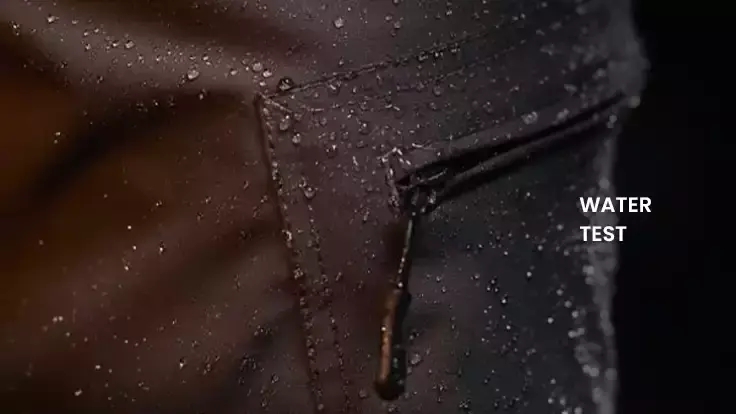
To care for your jacket properly, you must understand what happens at a microscopic level. Leather is a porous, organic material made of interconnected fibers. During the tanning process, natural oils are infused into these fibers to keep them lubricated and flexible. These oils, often referred to as sebum, are what give leather its signature “hand” or softness.
When water penetrates leather, it forms temporary bonds with these internal oils. As the water evaporates, it does not leave alone. Instead, it pulls the essential oils out of the leather fibers. Without these oils, the fibers become brittle, stiff, and prone to snapping. This leads to the characteristic cracking and “cardboard feel” associated with water-damaged leather. Furthermore, if the leather dries too quickly, the collagen fibers can shrink and warp, permanently altering the fit of the jacket.
Immediate Action: The First Five Minutes
If you walk through the door with a soaked jacket, your actions in the first few minutes will determine the success of the restoration process. Do not simply toss the jacket onto a chair or hang it in a crowded closet.
1. Gentle Blotting
The first rule of leather care is to never rub the surface. Rubbing can push water deeper into the pores and potentially scuff the finish of the leather. Instead, take a clean, dry microfiber cloth or a thick cotton towel and gently blot the exterior. Your goal is to absorb as much surface moisture as possible without applying excessive pressure.
2. Shake it Out
Hold the jacket by the shoulders and give it a firm but gentle shake. This helps dislodge water trapped in the seams, pockets, and zippers.
3. Empty the Pockets
Wet leather is incredibly elastic. If you leave a heavy wallet, keys, or a smartphone in the pockets while the jacket is wet, the weight will cause the leather to sag and stretch. Empty every pocket to ensure the jacket retains its original silhouette during the drying process.
4. Use the Right Hanger
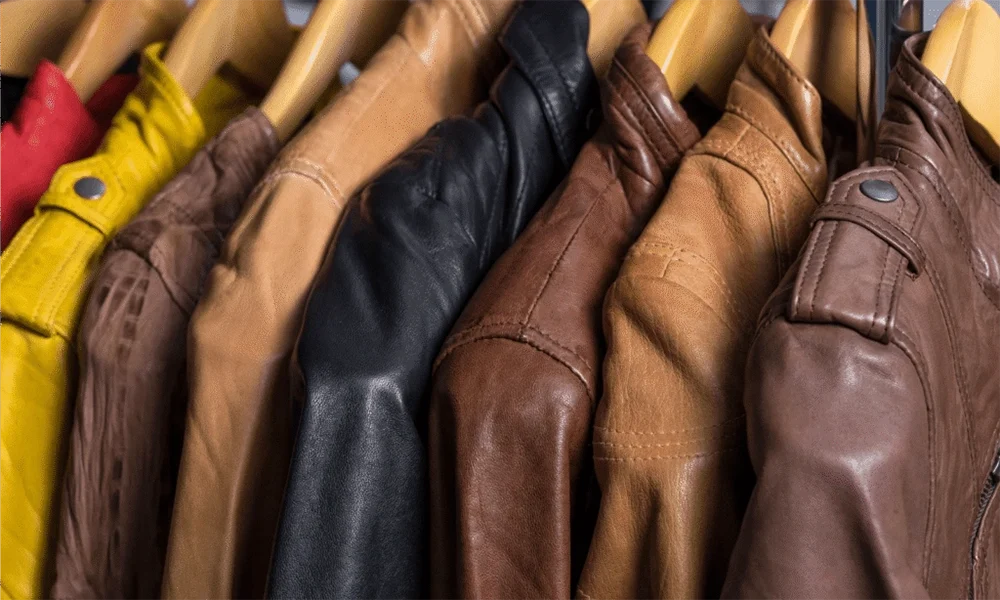
Never use a thin wire hanger for a wet leather jacket. The weight of the water-saturated leather will cause the wire to cut into the shoulders, creating permanent “hanger bumps.” Use a wide, padded, or wooden contoured hanger that mimics the shape of human shoulders. This supports the jacket’s structure and maintains its drape.
The Professional Drying Process: Step-by-Step
Patience is the most important tool in leather restoration. According to standards set by the Leather Working Group, maintaining the integrity of the material requires a controlled environment.
Create a Controlled Environment
Hang your jacket in a room with a stable temperature and excellent airflow. A hallway or a large living area is usually better than a small bathroom or a cramped closet. The ideal temperature for drying leather is standard room temperature, approximately 60 to 70 degrees Fahrenheit.
Maintain Airflow
You can use a floor fan to circulate air around the jacket, but do not point the fan directly at the leather on a high setting. Gentle, indirect circulation is enough to encourage evaporation without stressing the fibers.
Avoid Sunlight and Heat Sources
This is the most critical rule. Never hang your jacket in direct sunlight. UV rays can bleach the dyes and accelerate the evaporation of oils to a dangerous degree. Similarly, keep the jacket at least five feet away from radiators, fireplaces, or heating vents. Artificial heat is the primary cause of leather shrinkage.
The “Forbidden Methods”: What Never to Do
In an attempt to speed up the process, many people make mistakes that lead to irreversible damage. To protect your LVH Leathers investment, avoid the following at all costs:
- No Hairdryers: The concentrated heat from a hairdryer will cook the leather fibers, causing them to tighten and crack instantly.
- No Tumble Dryers: Putting a leather jacket in a dryer is a guaranteed way to ruin it. The combination of heat and mechanical agitation will scuff the surface and likely shrink the garment by two sizes.
- No Ironing: Some suggest ironing a wet jacket under a towel to “press out” the water. This is a dangerous practice. The steam generated can delaminate the leather finish and ruin the internal lining.
- No Radiators: Placing a jacket directly on a radiator creates uneven drying, which leads to warping and “salt lines” on the surface.
Restoring the Life: Post-Drying Conditioning
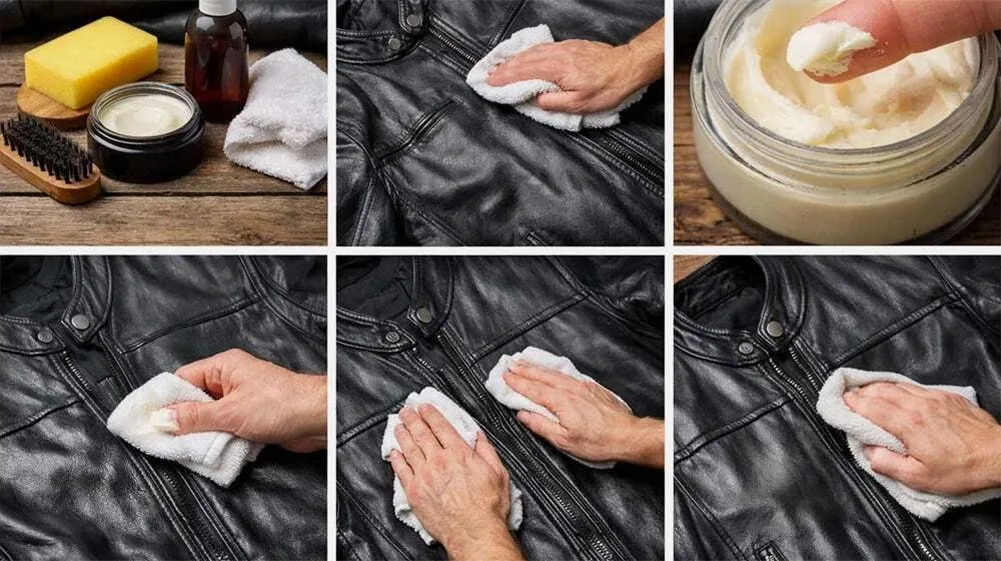
Once your jacket is dry, it will likely feel slightly stiffer than before. This is a sign that the oils have been depleted. Conditioning is not optional; it is a necessary step to rehydrate the material.
The best time to apply a conditioner is when the jacket is about 95 percent dry. The leather should feel cool to the touch but not damp. At this stage, the pores are still slightly open, making them more receptive to treatment.
Choosing the Right Product
Avoid using “all-in-one” cleaners or household items like olive oil or coconut oil. These can turn rancid over time and damage the leather’s pH balance. Instead, use a high-quality leather cream or balm specifically designed for apparel. For premium jackets, look for products containing lanolin or beeswax.
Application Technique
Apply a small, dime-sized amount of conditioner to a soft cloth, not directly onto the jacket. Test it on a small, inconspicuous area (like the inside of the cuff) to ensure it does not darken the leather excessively. Rub the conditioner into the jacket using gentle, circular motions. Focus on high-stress areas like the elbows and shoulders. After 20 minutes, buff off any excess with a clean cloth.
Special Care for Different Leather Types
Not all leather reacts to water in the same way. The treatment for a standard cowhide jacket differs significantly from that of more delicate materials.
Suede and Nubuck
Suede is particularly vulnerable to water because it lacks the protective grain layer. Water can easily flatten the “nap” (the fuzzy texture) and leave permanent stains. If suede gets wet, blot it very carefully. Once it is completely dry, you must use a specialized suede brush to “tease” the fibers back up. Never apply standard leather cream to suede, as it will ruin the texture.
Lambskin and Sheepskin
These are softer, more porous leathers. They tend to absorb water much faster than cowhide. Extra care must be taken with conditioning lambskin, as it is easy to over-saturate the delicate hide.
Full-Grain vs. Top-Grain
Full-grain leather is the most durable and has the best natural water resistance. Top-grain leather, which has been sanded and finished, may show water spots more easily but is generally easier to wipe clean. You can learn more about these distinctions through the American Leather Chemists Association resources.
Prevention: Waterproofing Your Jacket
The best way to handle a wet leather jacket is to prevent it from getting soaked in the first place. While no leather is 100 percent waterproof, you can make it water-resistant.
Consider applying a high-quality water-repellent spray. Look for a “breathable” formula that uses fluorocarbon resins rather than silicone. Silicone can seal the pores completely, preventing the leather from “breathing” and eventually causing it to dry out from the inside. A good protector will cause water to bead up and roll off the surface rather than soaking in.
When to Consult a Professional
If your jacket was submerged in salt water (from the ocean) or if it has developed a musty odor or visible mold after getting wet, it is time to seek professional help. Professional leather cleaners have access to specialized ozone chambers and pH-balanced detergents that can remove deep-seated contaminants without damaging the hide. Salt is particularly dangerous because it is highly corrosive to leather fibers and requires professional neutralization.
Conclusion
A wet leather jacket does not have to be a tragedy. By avoiding heat, exercising patience, and replenishing lost oils through proper conditioning, you can maintain the longevity of your garment. Remember that leather is a natural material that thrives on consistent care.
At LVH Leathers, we believe that a jacket should tell a story, but that story shouldn’t include water damage or cracks. Follow these steps to ensure your leather remains a staple of your wardrobe for years to come.
Frequently Asked Questions
1. Can I wear my leather jacket in the rain?
Light rain is generally fine if the jacket has been treated with a water-resistant spray. However, you should avoid wearing it in heavy downpours. If it does get wet, follow the drying steps immediately.
2. Does leather shrink when it gets wet?
Leather does not necessarily shrink when it gets wet, but it shrinks significantly if it dries too quickly due to heat. Slow, natural air drying is the only way to prevent shrinkage.
3. How long does it take for a leather jacket to dry?
Depending on the thickness of the leather and the humidity of the room, it can take anywhere from 24 to 48 hours to dry completely.
4. Can I use a hair dryer on a low setting?
It is highly discouraged. Even a low setting creates a concentrated flow of dry air that can unevenly dry the surface and lead to structural damage.
5. Why is my jacket stiff after drying?
Stiffness occurs because the water has carried away the natural oils. This is solved by applying a high-quality leather conditioner once the jacket is dry.