
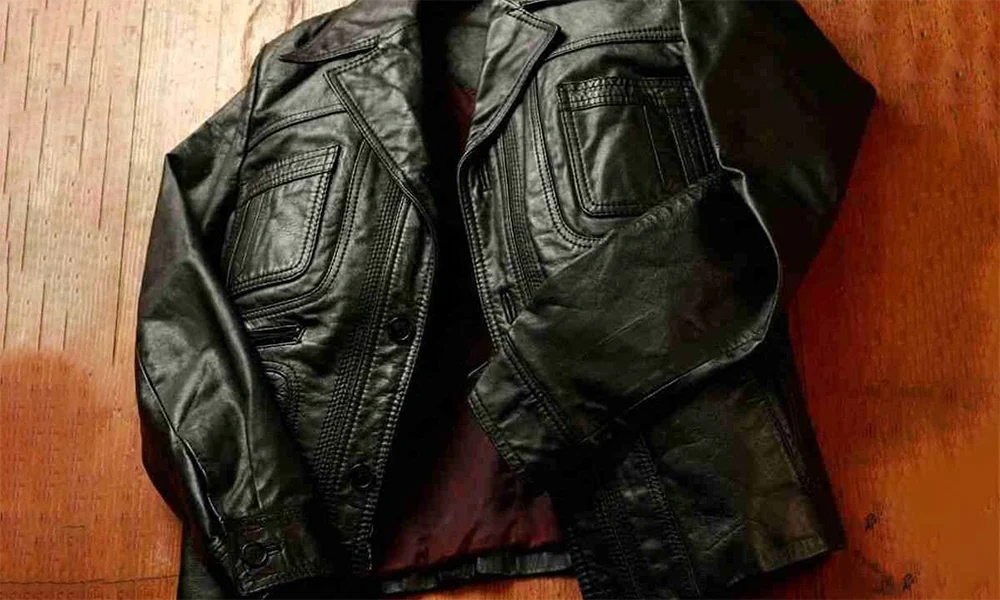
In an era of fast fashion and disposable trends, the leather jacket remains one of the few items in a man’s or woman’s wardrobe that actually gets better with age. A vintage leather jacket is more than just a piece of outerwear; it is a storied artifact, a protective layer, and a symbol of rebellion and heritage. Whether you are scouring thrift stores or looking for a handcrafted “vintage-soul” piece from LVH Leather, knowing what to look for is the difference between a lifetime investment and a costly mistake.
In this ultimate guide, we will break down the anatomy of a quality vintage jacket, the history behind iconic styles, and how to ensure you are buying a piece that will last for decades.
1. Why Vintage Leather is a Timeless Investment
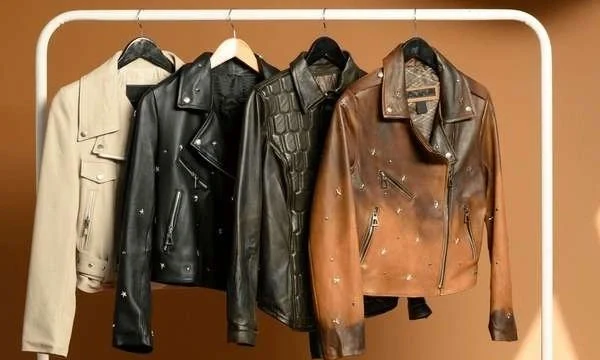
The term “vintage” often refers to items that are at least 20 years old, but in the world of leather, it also signifies a standard of craftsmanship that is rarely seen in modern mass production.
The Durability Factor
Older jackets were often made from thicker, sturdier hides. In the mid-20th century, leather was designed for utility, protecting motorcyclists from road rash and pilots from freezing altitudes. When you invest in a vintage-style jacket, you are investing in durability. Unlike synthetic alternatives, real leather does not peel or crack; it evolves.
The Beauty of Patina
One of the most sought-after features of vintage leather is the patina. This is the soft sheen and character-rich weathering that develops on the surface of high-quality leather over time. According to Britannica’s overview of leather production, the chemical and physical transformation of the hide through use creates a unique texture that cannot be replicated by a machine.
2. Decoding Leather Quality: Full-Grain vs. The Rest
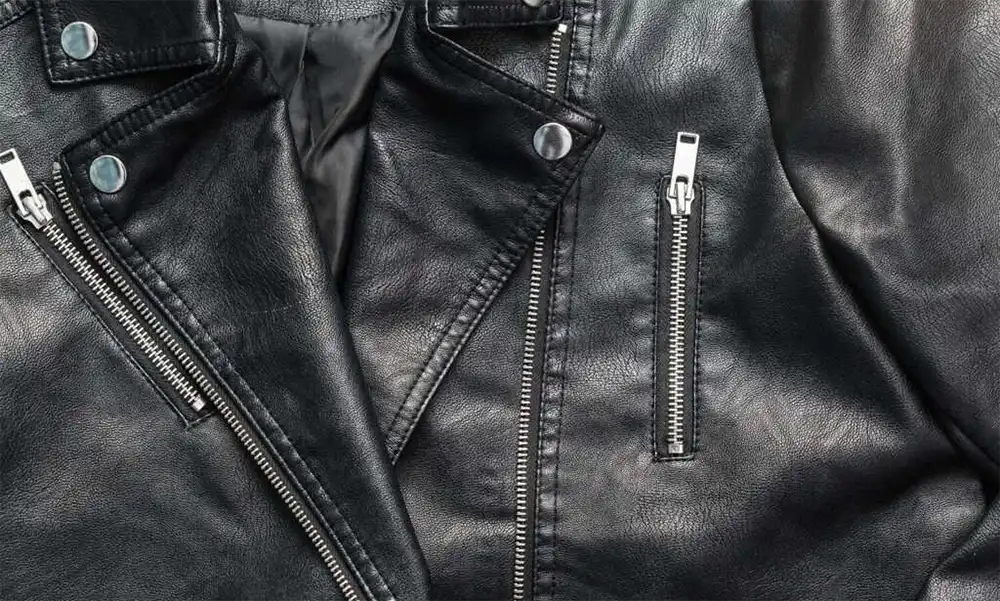
Not all leather is created equal. To make a smart investment, you must understand the “grade” of the leather.
Full-Grain Leather (The Gold Standard)
Full-grain leather comes from the top layer of the hide and includes all the natural grain. It is the strongest and most breathable part of the skin. Because the grain is left intact, it develops a beautiful patina. At LVH Leather, we emphasize the use of high-quality grains to ensure that “vintage” feel from day one.
Top-Grain Leather
This is the second-highest grade. The very top layer is sanded down to remove imperfections, making it thinner and more pliable than full grain. While still durable, it won’t develop the same level of character as full-grain leather.
Genuine Leather (The Marketing Trap)
Do not be fooled by the name. “Genuine leather” is actually a lower grade of leather made from the remaining layers after the top is stripped off. It is often heavily processed and does not have the longevity required for a true heritage piece.
3. Identifying Iconic Vintage Styles
To choose the right jacket, you need to know the history and intent behind the design.
The Double Rider (Biker Jacket)
Characterized by its asymmetrical zipper, wide lapels, and D-pockets, this style was popularized by Marlon Brando in The Wild One. The design was pioneered by Schott NYC in 1928 (the famous “Perfecto”). It was built for protection and functionality on a motorcycle. For a deep dive into the cultural impact of this style, visit The Museum of Modern Art (MoMA).
The A-2 Flight Jacket (The Bomber)
The A-2 was the standard-issue flight jacket for U.S. Army Air Corps pilots during WWII. It features a shirt-style collar, ribbed cuffs, and waistbands. If you are looking for a military-spec aesthetic, look for jackets with heavy-duty brass zippers and snap-flap pockets.
The Cafe Racer
Born in 1960s England, the Cafe Racer is a minimalist’s dream. It features a small snap-tab collar and a straight front zipper. It was designed for racers who wanted a streamlined fit with no excess fabric to catch the wind.
4. Hardware: The Zippers and Studs
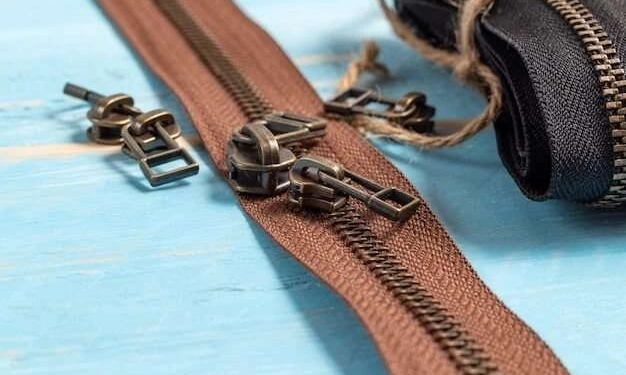
A common mistake is focusing only on the leather and ignoring the hardware. On a vintage piece, the hardware tells you a lot about the era and quality.
- Zippers: Look for heritage brands like Talon, Crown, IDEAL, or YKK. In the 1950s and 60s, zippers were made of heavy-duty brass or steel. If the zipper is plastic or feels “flimsy,” the jacket is likely a modern, low-quality reproduction.
- Snaps and Rivets: High-quality vintage jackets use reinforced snaps. Check for oxidation; a little green “verdigris” on brass hardware is a sign of age and authenticity, which can usually be cleaned off.
5. How to Spot Real vs. Synthetic Leather
With the rise of “vegan leather” (which is often just plastic/PU), it is vital to know how to identify the real thing.
- The Scent Test: Real leather has a distinct, earthy, and rich smell. Synthetic leather smells like chemicals or plastic.
- The Pore Pattern: Look closely at the surface. Real leather is an organic material, so the pores should be slightly irregular. If the pattern is perfectly symmetrical, it’s likely a machine-pressed synthetic.
- The Water Test: Real leather is porous. If you drop a tiny bead of water on an unfinished area, it will eventually absorb. Water usually beads off plastic.
To learn more about the environmental standards of leather production, refer to the Leather Working Group (LWG).
6. Sizing and Fit: The Vintage Trap
Vintage sizing is notoriously different from modern “vanity sizing.” A 1970s “Large” might fit like a modern “Small.”
- Shoulder Width: This is the most critical measurement. If the shoulders don’t fit, the jacket will never look right, and altering leather shoulders is incredibly expensive.
- Sleeve Length: Vintage jackets often have shorter sleeves than modern fashion jackets because they were meant to be worn with riding gloves.
- The “Boxy” Cut: Older jackets often have a wider torso and higher armholes compared to the slim-fit trends of today.
7. Sustainability: Why Buying Quality Matters
Choosing a high-quality leather jacket is an act of sustainable fashion. According to environmental experts, extending the life of a garment by just nine months reduces its carbon, water, and waste footprint by 20–30%. By choosing a jacket from LVH Leather or a well-vetted vintage shop, you are stepping away from the “buy-and-toss” culture.
8. Maintenance: Caring for Your Investment
A vintage leather jacket is an investment that requires occasional maintenance to prevent it from drying out.
- Conditioning: Use a high-quality leather balm every 6–12 months. This keeps the fibers supple and prevents cracking. The Spruce provides an excellent guide on cleaning leather jackets.
- Storage: Never store your jacket in a plastic bag. Leather needs to breathe. Use a wide, padded hanger to maintain the shoulder shape.
- Rain Care: If your jacket gets wet, let it air dry naturally away from a heater. Heat is the enemy of leather and will cause it to become brittle.
9. Why Choose LVH Leather?
At LVH Leather, we bridge the gap between “old-school” quality and modern silhouettes. We understand that finding the perfect 1950s vintage jacket in your exact size is like finding a needle in a haystack.
That is why we use heritage-grade hides and traditional tanning methods to create jackets that possess the soul of a vintage piece but the fit of a modern luxury garment. Our artisans pay attention to every detail, from the stitching and hardware to the grain, ensuring that your purchase becomes a future vintage heirloom.
10. Conclusion
A vintage leather jacket is a rare item that defies the passage of time. It is a shield against the elements and a statement of personal style. By focusing on leather grain, hardware quality, and iconic silhouettes, you can find a piece that not only sits in your closet but also becomes a part of your identity.
Whether you are a collector or a first-time buyer, remember: quality is remembered long after the price is forgotten.
Frequently Asked Questions (FAQs)
Q1: Is a heavy leather jacket better than a light one?
Not necessarily. While weight often indicates durability (like cowhide), high-end lambskin is lightweight but incredibly luxurious and strong. The “best” weight depends on whether you want a rugged biker look or a sleek fashion statement.
Q2: How can I tell if a vintage jacket is worth the price?
Check the brand, the country of origin (USA, UK, and Italy are top-tier), and the condition of the lining. If the leather is “red-rotted” (crumbling to dust), it cannot be saved.
Q3: Can vintage leather jackets be tailored?
Yes, but it is specialized work. Taking in the sides or shortening sleeves is possible, but changing the shoulders or the length of the jacket is often too complex and costly.
Q4: Does leather expire?
With proper conditioning, leather can last 50 to 100 years. Moisture and extreme heat are the only things that truly “kill” leather.
Visit LVH Leather today to explore our collection of timeless leather investments.