
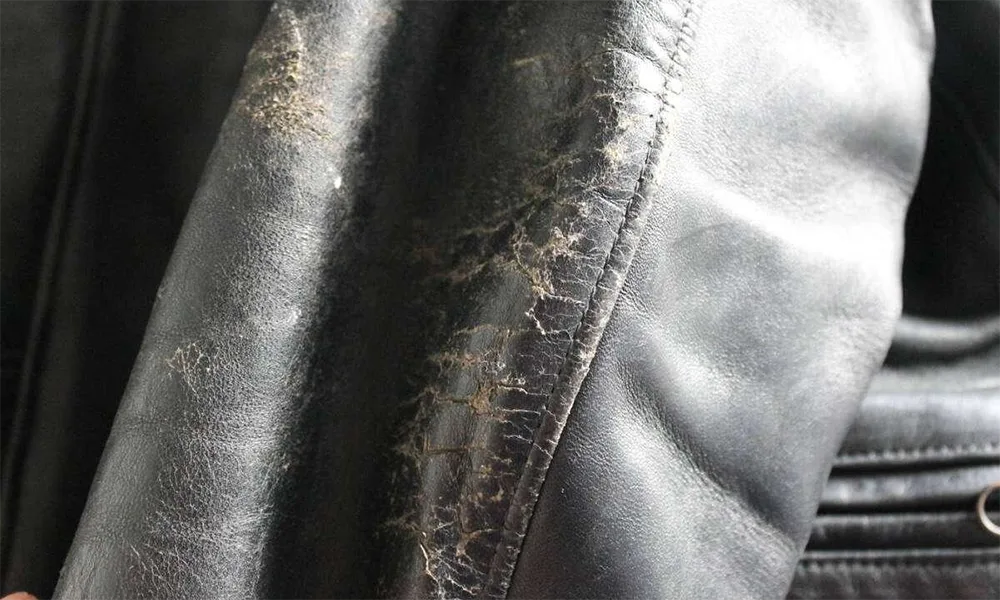
.A premium leather jacket is more than just a piece of outerwear; it is an investment, a style statement, and often a vessel for memories. But even the finest hides are not immune to the effects of time, and knowing how to approach leather jacket restoration can save a beloved garment from being discarded. Whether you are dealing with a cracked biker jacket or a faded bomber, understanding how to fix a cracked leather jacket or reverse years of wear requires the right technique and materials. This definitive leather jacket repair guide walks you through the entire professional restoration process from deep cleansing to precision re-pigmentation so your jacket can be brought back to its former glory.
At LVH Leather, we believe that a damaged jacket shouldn’t be discarded. With the right restoration techniques, a worn-out garment can be rehabilitated to its former glory. In this definitive guide, we will explore the science of leather degradation and provide a professional roadmap for restoring cracked, faded, and scuffed leather jackets.
The Science of Leather Decay: Why Damage Happens
To fix leather, one must first understand what it is. Leather is composed of dense collagen fibers that have been stabilized through the tanning process. While the tanning process prevents the hide from rotting, it does not make it invincible.
1. Dehydration and Cracking
Leather contains natural oils and moisture that keep the fibers supple. Exposure to low humidity and heat causes these oils to evaporate. Once the internal fibers become brittle, they lose their elasticity. When the jacket flexes during movement, these brittle fibers snap, resulting in visible surface cracks.
2. UV Exposure and Fading
Sunlight is the enemy of leather dye. Ultraviolet (UV) rays break down the chemical bonds of the pigments used to color the hide. This photodegradation is particularly common in aniline-dyed jackets, which lack a heavy protective topcoat to filter out the sun’s rays.
3. Friction and Abrasion
Scuffs are mechanical damage. When the surface of the leather (the grain) rubs against a hard or abrasive surface, the top layer is sheared off. Depending on the depth of the abrasion, this can either be a minor aesthetic issue or a structural vulnerability.
Identifying the Severity: Can Your Jacket Be Saved?
Before diving into the restoration process, it is crucial to categorize the damage.
- Minor Scuffs: These are surface-level abrasions where the color has been scraped off, but the leather fibers remain intact.
- Surface Fading: The leather feels healthy and soft, but the color looks “washed out” or uneven, especially on the shoulders and collar.
- Deep Cracks: These look like “scales” or “valleys” in the leather. If you see the “suede-like” interior of the hide through the crack, it is a deep structural issue.
- Peeling (Warning): If your jacket is peeling in large plastic-like sheets, it is likely bonded leather or synthetic (PU) leather. Unfortunately, synthetic peeling cannot be restored like genuine animal hide.
The LVH Leather Professional Restoration Process
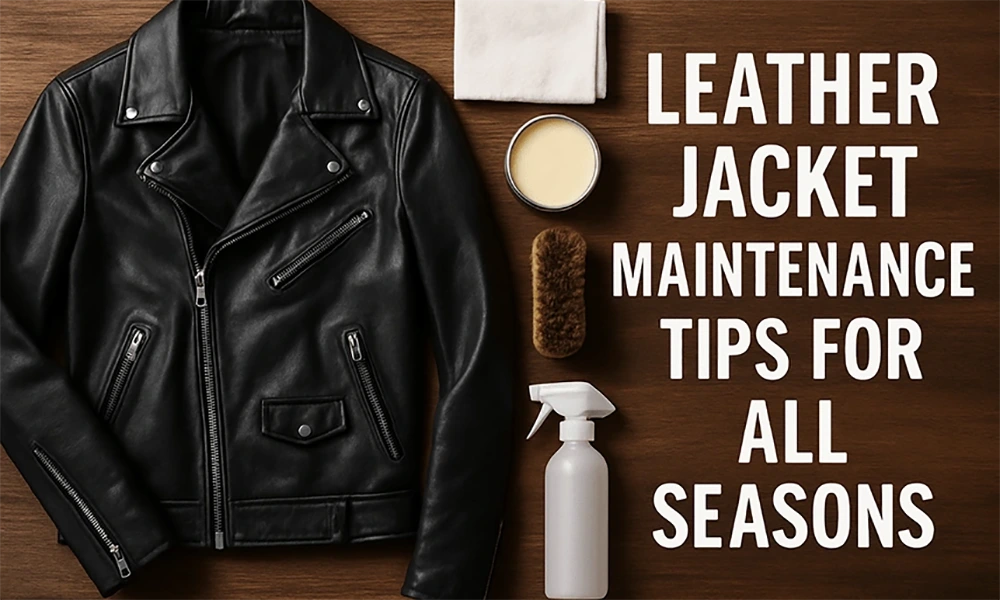
Restoring a leather jacket is a meticulous craft that blends chemistry with artistry. Here is the step-by-step professional workflow we use to rejuvenate damaged garments.
Step 1: Professional Deep Cleansing
You cannot repair a dirty surface. We begin by using a pH-balanced leather cleaner to remove accumulated oils, salts (from sweat), and atmospheric pollutants. Unlike household detergents, which are alkaline and strip leather of its natural acidity, a pH-balanced cleaner preserves the leather’s structural integrity.
Step 2: Surface Preparation and Degreasing
If the jacket has been previously treated with cheap waxes or silicones, these must be removed. We use a professional leather degreaser to ensure that new dyes and fillers will adhere properly to the grain. For scuffed areas, a very fine-grit sandpaper (1200-2000 grit) is used to gently smooth down frayed fibers.
Step 3: Healing Cracks with Mending Compounds
For cracked leather, simply applying conditioner isn’t enough. We use a flexible leather filler. This is a specialized compound that behaves like liquid leather.
- The filler is applied in thin layers into the cracks.
- Once dry, it remains flexible, allowing the jacket to move without the repair popping out.
- For deep gouges, a sub-patch (a small piece of silk or thin leather) may be inserted behind the hole for structural reinforcement.
Step 4: Color Matching and Re-Pigmentation
This is the most critical stage. Whether it’s a classic black or a vintage cognac brown, matching the original shade requires a keen eye.
- Base Coat: We apply a base color that matches the lightest undertone of the jacket.
- Layering: Using an airbrush or specialized sponges, we layer the pigment to recreate the “depth” of the original color.
- Aniline vs. Pigmented: For premium lambskin, we use transparent dyes to maintain the natural “patina.” For heavy-duty cowhide, we use high-coverage pigments for maximum durability.
Step 5: Applying the Top Coat (The Sealant)
To prevent future fading and scuffing, a protective topcoat is applied. This can range from a “matte” finish to a “high gloss,” depending on the jacket’s original aesthetic. This sealant acts as a barrier against moisture and UV radiation.
Specialized Care for Different Hides
Not all leather is created equal. The restoration approach must change based on the animal source:
- Lambskin and Sheepskin: Extremely soft and porous. These jackets require very thin, water-based dyes to avoid making the leather feel “plastic-y” or stiff.
- Cowhide and Buffalo: Thick and resilient. These can handle more intensive sanding and heavier mending compounds.
- Suede and Nubuck: These require a completely different approach. Traditional fillers and pigments will ruin the “nap” (fuzzy texture). Restoration for suede involves specialized steam cleaning and brass-brushing.
DIY vs. Professional Restoration: When to Call the Experts?
While there are many “DIY Leather Repair Kits” available online, they carry significant risks.
- When to DIY: You can handle basic maintenance, such as applying a high-quality leather balm to a dry jacket or using a color-matched cream for tiny surface scuffs.
- When to Call LVH Leather: If your jacket has deep cracking, significant color loss, or structural tears, professional intervention is necessary. Professional-grade binders and airbrush pigments provide a finish that store-bought kits simply cannot replicate. A botched DIY job often costs more to fix than the original repair would have cost.
Preventive Maintenance: How to Stop Damage Before It Starts
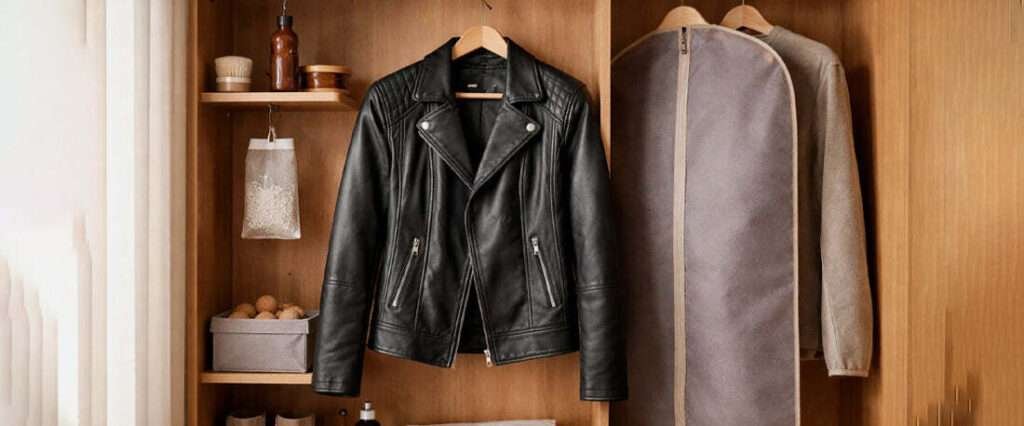
Restoration is a cure, but prevention is the best medicine. Follow these guidelines to ensure your jacket lasts for decades:
- Condition Regularly: Apply a high-quality leather conditioner every 6 to 12 months. This keeps the collagen fibers lubricated and prevents dehydration.
- Storage Matters: Always hang your jacket on a wide-shouldered wooden hanger. Thin wire hangers can misshape the shoulders and create “bumps” in the leather.
- Avoid Plastic Covers: Leather needs to breathe. Store it in a breathable cloth garment bag, never in plastic, which can trap moisture and lead to mold growth.
- Manage Humidity: Store your leather in a cool, dry place with a relative humidity of around 40-50%. Excessive dryness causes cracks, while excessive moisture causes rot.
Frequently Asked Questions (FAQs)
Q: Can cracked leather be made to look brand new again?
A: While deep cracks can be filled and hidden so they are invisible to the naked eye, the leather’s “molecular” structure will always be slightly different. However, a professional restoration can achieve a 90-95% improvement in appearance and feel.
Q: Is it worth repairing an old leather jacket?
A: Absolutely. High-quality leather develops a “patina” over time that new jackets lack. Repairing is also a more sustainable choice than buying new, aligning with eco-friendly fashion practices.
Q: Will the repair make the jacket feel stiff?
A: At LVH Leather, we use flexible resins and thin-film pigments specifically designed to move with the hide, ensuring the jacket remains as soft as the day you bought it.
Conclusion
A leather jacket is a companion that ages with you. While cracks, fades, and scuffs are a natural part of the leather’s lifecycle, they do not have to signal the end of its journey. Through professional cleaning, precision filling, and expert re-coloring, your favorite piece can be revitalized.
Don’t let your investment crumble in the back of your closet. Whether you own a rugged bike rider jacket or a luxury fashion piece, LVH Leather is here to restore its legacy.
Ready to bring your jacket back to life? Contact us today for a professional consultation and quote. Let’s give your leather the care it deserves.