
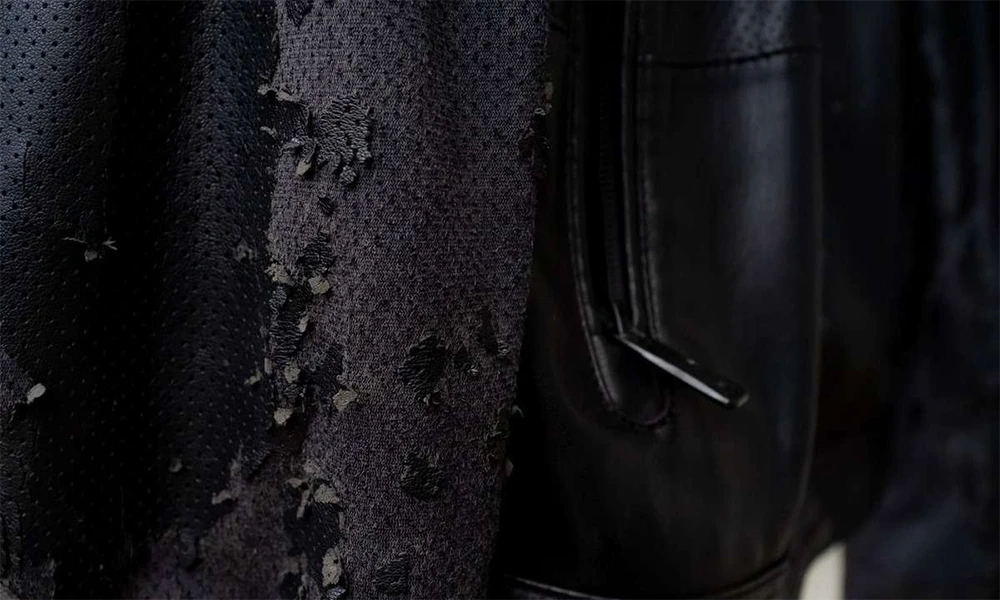
A high-quality leather jacket is more than just a piece of outerwear; it is an investment in style and durability. However, nothing ruins the aesthetic of a classic bomber jacket or a sleek biker coat faster than the sight of peeling or cracking material.
Whether you have noticed small flakes on your collar or significant delamination on the sleeves, Peeling Leather Jackets are a common concern for many owners. The big question remains: Can a peeling leather jacket be fixed?
The answer depends largely on the type of material you are dealing with. In this guide, we will dive deep into the science of leather peeling, provide a step-by-step restoration process for both real and synthetic hides, and show you how to prevent future damage.
1. Why Do Leather Jackets Peel? Understanding the Science
Before reaching for a repair kit, it is crucial to understand why the damage is happening. Not all “peeling” is created equal.
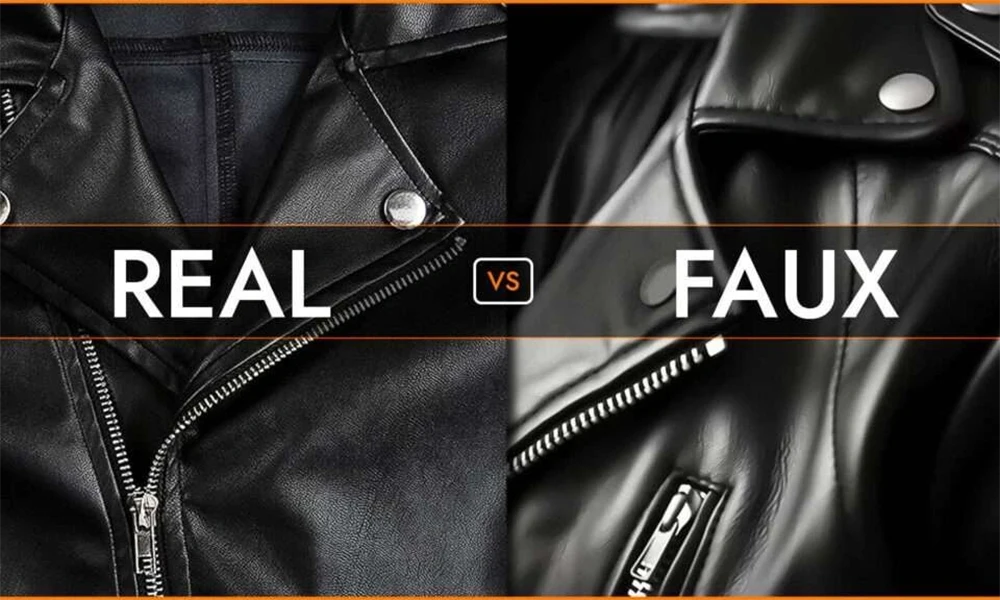
Real Leather vs. Faux Leather
- Real Leather (Animal Hide): Authentic leather is a fibrous, porous material. It doesn’t actually “peel” in the way plastic does. Instead, it cracks. This happens when the natural oils within the hide evaporate, causing the fibers to become brittle and break apart. According to the Leather Panel, environmental factors like humidity and UV exposure accelerate this degradation.
- Faux Leather (PU or PVC): Most modern synthetic jackets are made of Polyurethane (PU). This involves a plastic layer bonded to a fabric backing. Over time, the plasticizer in the PU layer breaks down due to a process called hydrolysis. This causes the top layer to lose its grip on the fabric and flake off in large chunks.
- Bonded Leather: This is the lowest grade of leather, made from shredded leather scraps glued together with polyurethane. It is the most prone to severe peeling and is often the hardest to repair.
2. Tools and Materials You Will Need
To achieve a professional-grade finish at home, you need the right “semantic entities” in your toolkit. Avoid household hacks like hairspray or superglue, as they can cause irreversible damage.
- Leather Cleaner: A pH-neutral formula to remove surface oils.
- Leather Prep/Alcohol Cleaner: To strip away old finishes and waxes.
- Fine-Grit Sandpaper: 800 to 1200 grit for smoothing edges.
- Leather Binder: A liquid strengthening agent that soaks into the fibers.
- Heavy Filler: A flexible paste used to fill gaps where material is missing.
- Leather Colorant/Dye: To match the jacket’s original shade.
- Leather Finish/Sealant: To protect the repair from water and friction.
- Microfiber Cloths and Sponges: For streak-free application.
3. How to Fix Peeling Real Leather Jackets (Step-by-Step)
If your genuine leather jacket is cracking or showing surface abrasions, you can often restore it to near-mint condition using this professional method.
Step 1: Clean and Prepare
Start by wiping the jacket with a dedicated leather cleaner. Use a microfiber cloth to remove dust and body oils. Once dry, apply a leather prep solution. This ensures that the repair compounds will adhere properly to the hide.
Step 2: Sand the Damaged Area
Using 1200-grit sandpaper, very gently sand the areas where the leather feels rough or cracked. Your goal is to create a smooth surface without thinning the leather too much.
Step 3: Apply Leather Binder
Apply 3-4 thin coats of leather binder with a sponge, allowing each coat to dry (you can use a hairdryer on a “cool” setting to speed this up). This strengthens the leather fibers from the inside out.
Step 4: Use Leather Filler
For deep cracks or missing “flakes,” apply a thin layer of Heavy Filler using a palette knife. Level it off and let it dry for at least 2 hours. If the area is still indented, apply a second layer.
Step 5: Color and Seal
Once the filler is dry and sanded smooth, apply the leather dye. It is best to apply several thin coats rather than one thick one. Finally, apply a leather finish (satin, gloss, or matte) to seal the color and add a protective layer.
4. How to Fix Peeling Faux (Synthetic) Leather
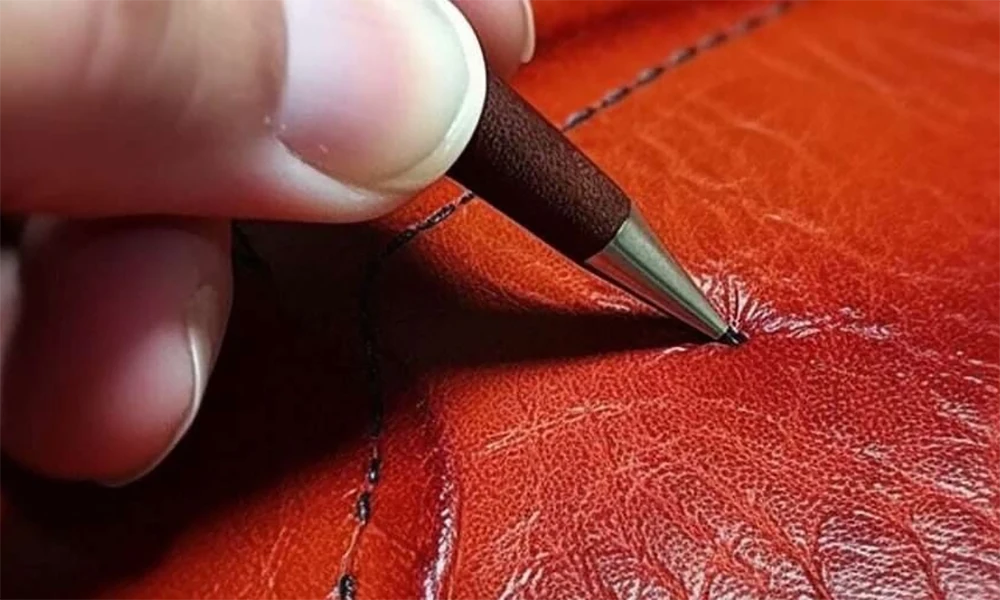
Fixing faux leather is more about “patching” and “resurfacing” than true restoration. Since the base material is plastic, it won’t absorb binders like real leather does.
- Remove Loose Flakes: Use a soft brush or your fingers to remove all the bits that are currently peeling. If you don’t remove them, the repair will simply peel off with the old layer.
- Apply Flexible Fabric Glue: For minor peeling, a thin layer of flexible fabric glue or a specialized faux leather repair paint can seal the edges and prevent further flaking.
- Use a Leather Repair Kit: These kits often come with a “Heat Cure” compound or air-dry filler. Apply the compound over the fabric backing, press a grain-pattern paper over it, and let it set.
- Color Match: Use acrylic-based leather paints to blend the repaired patch with the rest of the jacket.
5. Common DIY Mistakes to Avoid
While DIY repairs can save money, certain mistakes can ruin a jacket permanently:
- Using Olive or Vegetable Oil: While some blogs suggest this for “shine,” these oils go rancid over time and can cause the leather to smell and rot.
- Applying Heat Directly: Never use a high-heat iron or blow dryer on high heat. This can shrink real leather and melt faux leather.
- Ignoring the “Patch Test”: Always test your dye or cleaner on a hidden area (like the inside of the cuff) to ensure it doesn’t change the color of the jacket.
6. Prevention: How to Stop Leather from Peeling Again
Prevention is always cheaper than restoration. To keep your jacket in peak condition, follow these maintenance tips:
Proper Storage
Never store your leather jacket in a plastic bag. Leather needs to breathe. Use a breathable cotton garment bag and a wide, padded hanger to maintain the shoulder shape. Avoid wire hangers, which can “poke” through the material over time.
Regular Conditioning
For real leather, apply a high-quality conditioner every 4 to 6 months. This replenishes the natural fats and oils, keeping the hide supple. According to ResearchGate, maintaining the moisture content of leather significantly extends its lifespan against mechanical stress.
Humidity Control
Avoid storing your jacket in damp basements or near direct heat sources like radiators. Extreme dryness causes cracking, while extreme humidity can lead to mold and “spew” (white fatty deposits).
7. Frequently Asked Questions (FAQs)
Q: Can I use Vaseline to fix peeling leather?
A: No. While Vaseline might temporarily hide cracks, it is a petroleum-based product that can weaken leather fibers over time and prevent professional repair products from sticking.
Q: Is it worth fixing a peeling faux leather jacket?
A: If the peeling is localized (e.g., just the collar), it is worth a DIY fix. However, if the entire jacket is flaking, it is usually a sign of “structural failure” of the PU layer, and replacement is often the better option.
Q: Does shoe polish work on leather jackets?
A: Shoe polish is designed for the hard, stiff leather of shoes. It contains waxes that may not breathe well on a jacket and can rub off on your furniture or car seats. Use a dedicated leather cream instead.
Conclusion: When to Repair and When to Replace
Fixing a peeling leather jacket is a rewarding DIY project that can extend the life of your favorite garment for years. By understanding the difference between real and synthetic materials and using the correct fillers and dyes, you can achieve professional results.
However, if your jacket is beyond repair or if you are tired of dealing with synthetic materials that flake away, it might be time to upgrade. Investing in a premium real leather jacket ensures that you won’t have to deal with plastic delamination. Authentic leather doesn’t die; it ages, developing a beautiful “patina” that only gets better with time.
Ready for a jacket that lasts a lifetime? Explore our collection of Handcrafted Real Leather Jackets at LVH Leather today.