
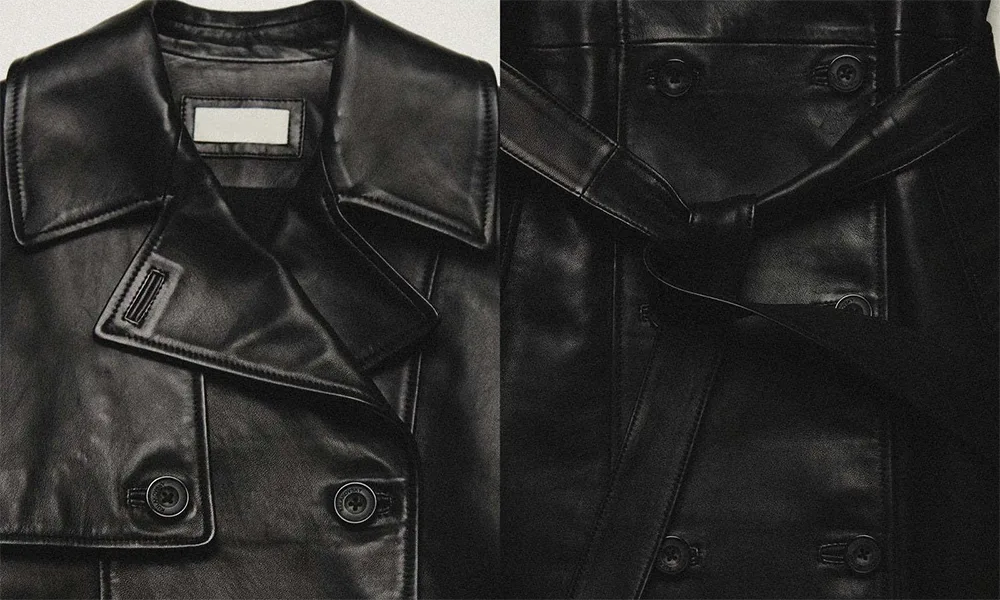
Owning a premium leather jacket is a mark of style and durability. However, leather is a biological material; it is “skin,” and just like our skin, it reacts to environmental changes. Whether it is the scorching UV rays of the summer sun or the pervasive moisture of the monsoon season, Heat and Rainy Seasons can wreak havoc on leather fibers if not managed correctly.
In this comprehensive guide, we will dive into the science of seasonal leather care, including how to protect your leather during Heat and Rainy Seasons.You will learn how to protect your men’s leather jacket or luxury accessories from humidity, prevent mold growth during rain, and ensure the leather doesn’t turn brittle under intense heat.
1. The Science of Weather and Leather
Leather is hygroscopic, meaning it naturally absorbs and releases moisture from the air.
- In Summer: High temperatures cause the natural oils (liquors) used in the tanning process to evaporate, leading to stiffness and cracks.
- In Rainy Seasons: High humidity levels (above 60%) create the perfect breeding ground for fungal spores, leading to mold and mildew.
Understanding this balance is the key to making your leather last for decades rather than just a few seasons.
2. Summer Care: Defeating Heat and UV Radiation
Most people think leather is only a winter fabric, but storing it or wearing it in summer requires specific precautions.
A. Guarding Against UV Fading
Direct sunlight is a natural bleaching agent. Prolonged exposure to UV rays breaks down the chemical bonds in leather dyes. This is particularly noticeable in black leather jackets or vibrant colored pieces, which can turn a dull, dusty grey.
B. Preventing “Oil Evaporation”
When leather gets too hot, the internal moisture that keeps the collagen fibers supple evaporates. Once these oils are gone, the leather becomes “brittle.” If you bend a brittle jacket, it won’t crease; it will crack.
Summer Maintenance Tips:
- Never Store in Plastic: Plastic bags trap heat and prevent the leather from “breathing,” which can lead to dry rot.
- Use Padded Hangers: Heat can make leather slightly more “plastic” or moldable. Wire hangers can leave permanent “shoulder bumps.” Use wide, wooden, or padded hangers to maintain the jacket’s silhouette.
- Cool, Dark Storage: Store your leather in a closet that stays below 75°F (24°C).
3. Rainy Season: The Battle Against Humidity and Mold
The rainy season is the most dangerous time for leather. Moisture doesn’t just come from rain; it comes from the heavy, humid air.
A. The Mold and Mildew Crisis
Mold is a fungus that feeds on organic matter. Since leather is organic, humidity provides the food and the environment for mold to thrive. If you see a white, fuzzy residue on your jacket, your leather is being “eaten” by fungi. According to the Leather Working Group, moisture management is the #1 factor in preserving leather longevity.
B. Water Spots and Warping
Rainwater is rarely pure; it contains minerals and pollutants. When a raindrop dries on leather, it leaves behind these minerals, which can create permanent “tide marks” or spots.
Rainy Season Maintenance Tips:
- The “Shade-Dry” Rule: If your jacket gets wet, never use a heater. Blot it with a dry towel and let it air dry in a room with good circulation.
- Silicon-Free Water Repellents: Use a specialized waterproof spray. Ensure it is “breathable,” so it doesn’t seal the pores completely, which can cause the leather to suffocate.
- Dehumidify Your Closet: Use silica gel packets or a small electric dehumidifier in your wardrobe during the monsoon months.
4. Storage Solutions: The “Off-Season” Strategy
When you aren’t wearing your jacket during the peak of summer, how you store it determines its condition for the next winter.
Use Breathable Garment Bags
Switch out plastic covers for cotton or muslin garment bags. These allow air to circulate while keeping dust, which can act as an abrasive, off the leather surface.
Avoid Mothballs
Mothballs contain naphthalene, which can react with the tanning chemicals in the leather and create a permanent, unpleasant odor that is almost impossible to remove.
5. Cleaning Salt and Sweat (Post-Season Care)
If you wore your leather during the transition from winter to spring, it likely has traces of sweat or road salt (if you are in a cold climate). Salt is extremely corrosive to leather.
- Action: Before storing for summer, wipe down the “high-contact” areas (collar, cuffs, and underarms) with a very slightly damp cloth to remove salt crystals.
6. The Semantic Gap: Understanding “Breathability.”
In SEO terms, many people search for “waterproof leather.” However, semantically, true leather is never 100% waterproof, and you wouldn’t want it to be. If you seal leather completely (like vinyl), it loses its ability to regulate temperature, making it uncomfortable to wear. The goal is “water resistance,” which protects the fibers while allowing air exchange.
7. Step-by-Step Seasonal Conditioning Routine
Follow this routine at the start of every season change:
- Inspect: Look for signs of dryness or white spots (mold).
- Clean: Use a pH-balanced cleaner to remove seasonal dust.
- Condition: Apply a high-quality leather balsam. For summer, use a lighter cream; for winter/rainy seasons, use a wax-based conditioner for extra protection.
- Buff: Use a lint-free cloth to remove excess product so it doesn’t attract more dust.
8. Frequently Asked Questions (FAQs)
Q:Can I wear my leather jacket in the rain?
Ans: Yes, but only if it has been treated with a water-resistant spray. If it gets soaked, you must condition it after it dries to replace lost oils.
Q:Why does my leather jacket smell musty after summer?
Ans: This is usually due to trapped moisture or a lack of airflow in your closet. It indicates the early stages of mildew.
Q:Is sunlight good for “disinfecting” leather?
Ans: While UV kills some bacteria, the damage it does to the leather’s moisture levels and color is not worth the risk. Use a specialized antimicrobial leather cleaner instead.
Q:Can I store leather in a basement?
Ans: Basements are usually too damp. If you must, ensure you are using a dehumidifier to keep the humidity levels around 40-50%.
9. Conclusion: A Jacket for All Seasons
Leather is a resilient material, but it isn’t invincible. By adjusting your care routine for the summer heat and the rainy humidity, you transition from being a “user” to a “custodian” of a fine craft.
At LVH Leather, we believe that a premium leather jacket should be a one-time purchase that lasts a lifetime. Our jackets are tanned using processes that maximize weather resistance, but the final layer of protection comes from you. Respect the seasons, and your leather will reward you with a beautiful patina that only gets better with age.