
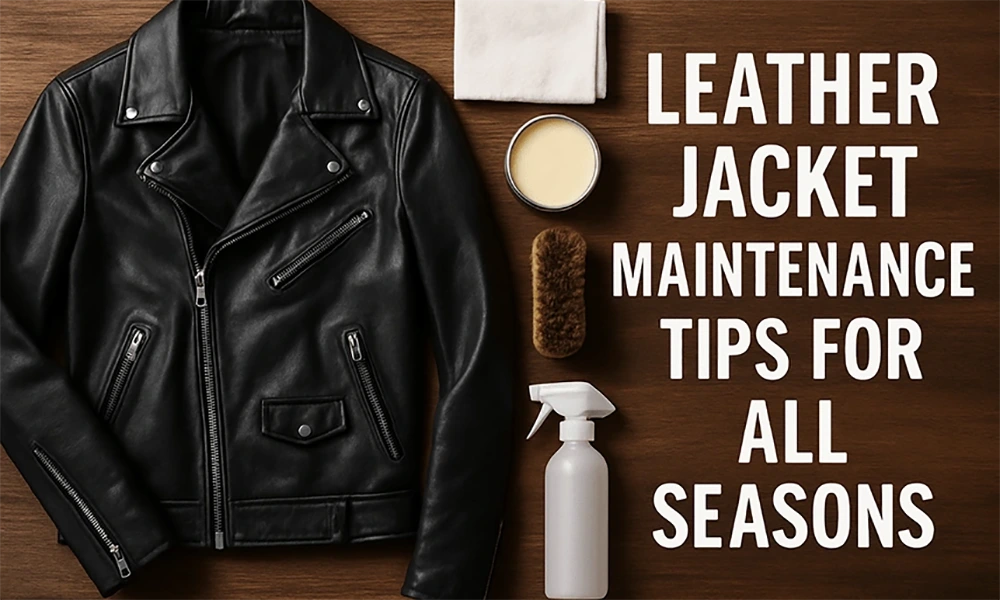
Leather jackets are crafted from a variety of high-quality hides, such as cowhide, lambskin, and suede, etc. each requiring its own care. Over time, dust, sweat, moisture, and sun can dull even the finest leather. To preserve that luxurious look and feel year-round, follow these expert Leather Jacket maintenance practices inspired by LVH Leather’s craftsmanship ethos. We cover general maintenance plus season-specific tips (spring, summer, fall, and winter), along with advice on cleaning, restoration, and protection products. Proper care will keep your jacket supple, stain-free, and built to last.
General Leather Jacket Care Tips
- Regular dusting and cleaning: After wearing, gently wipe your jacket with a soft microfiber or cotton cloth to remove surface dust and dirt. For routine cleaning, use a slightly damp cloth with mild leather cleaner or a drop of gentle soap. Avoid soaking the leather; excessive water strips natural oils, causing stiffness or even cracking. Always blot stains or spills immediately; for greasy spots, sprinkle cornstarch or baking soda, let it absorb overnight, then brush off.
- Condition regularly: Leather dries out over time, especially in harsh weather. Apply a high-quality leather conditioner (creams or oils with lanolin/beeswax) every 3–6 months to replenish oils and keep the hide supple. Test any new product on a hidden seam first. LVH Leather experts recommend light conditioning once or twice a year as a minimum, more often if the jacket sees heavy use. (Avoid over-conditioning, which can clog the pores.) Natural oils like mink oil or neatsfoot oil penetrate deeply, but always spot-test to prevent unwanted darkening.
- Proper storage: Store your jacket on a wide, padded hanger to preserve its shape. Never cram leather into tight spaces. Keep it in a cool, dry closet away from direct heat, sunlight, or radiators. Use a breathable cotton or canvas garment bag instead of plastic, which traps moisture and can cause mildew. For off-season storage, add silica gel packets or cedar blocks to absorb excess humidity.
- Protect from sun, heat, and chemicals: Heat and UV rays fade and dry out leather. When not worn, shield the jacket from prolonged sunlight. Never dry wet leather with a hairdryer, heater, or in the sun; air-dry it at room temperature. Do not use harsh chemicals (bleach, alcohol, household cleaners) or abrasive tools, as these strip oils and scratch the surface. Only use products labeled safe for leather.
- Quick response to spills and stains: Blot any liquid spills immediately with a soft cloth; do not rub (rubbing spreads liquid). For ink, dab gently with a cotton swab and a tiny amount of rubbing alcohol on an inconspicuous area, then wipe with a clean, damp cloth. Remove salt stains (from winter roads or ocean air) by wiping with a damp cloth, then reconditioning that area. In humid environments, wipe jackets dry right away to prevent water spots.
Seasonal Leather Jacket Care
Leather’s needs change with the weather. Follow these season-specific tips to safeguard your jacket through spring rains, summer heat, fall dampness, and winter cold.
Spring: Refresh and Protect
- Post-winter cleanup: Come spring, dust off winter’s grime. Gently clean the exterior with a damp cloth to remove any remaining salt, dirt, or mildew from storage. Inspect seams and lining for any damage or musty odor.
- Recondition after winter: Winter’s cold indoor heat and outdoor moisture can sap leather oils. Give the jacket a light conditioning treatment to replenish its natural oils before the warmer weather hits.
- Weatherproofing: Spring often brings rain. Apply a leather water-repellent spray or cream (silicone- or wax-based) to restore water resistance. Focus on seams and collars. LVH Leather suggests doing this ahead of rainy days so the protective layer bonds well.
- Humidity control: In regions with spring rains or humidity, keep jackets aired in a well-ventilated closet. Using silica packs or a dehumidifier in your storage area helps prevent mold or mustiness. Allow your jacket to breathe by using breathable covers.
- Even if lighter wear: A small touch-up can go a long way. Brush away pollen or dust, buff any minor scuffs with a clean cloth, and avoid leaving your jacket folded or scrunched in spring cleaning chaos.
Summer: Shield Against Heat and Moisture
- Beat the heat: Summer sun and heat can dry out leather. Whenever possible, avoid leaving the jacket in direct sunlight or hot cars. If the coat gets sweaty or slightly damp from humid weather, wipe the lining and exterior with a dry cloth and let it air-dry completely.
- Regular conditioning: Even in summer, apply a thin coat of conditioner every few months. High heat can accelerate moisture loss in leather, so summer is a good time to maintain suppleness.
- Prevent mold in humidity: Warm, humid air fosters mold. Store your jacket in an air-conditioned or dry space. LVH Leather advises using moisture-absorbing products (silica gel packs or cedar sachets) in closets to keep humidity below about 65%. Regularly wipe the jacket with a slightly damp cloth, then immediately dry it, to prevent mold growth.
- Light cleaning for sweat: After sweaty days (like outdoor events or concerts), turn the jacket inside out and wipe the lining with a damp cloth to remove salt and sweat. This prevents odor and fabric breakdown.
Fall: Prepare for Cooler Weather
- Deep clean and inspect: As temperatures cool, give your jacket a thorough cleaning. Remove any summer stains or accumulated grime with a gentle leather cleaner or mild soap solution. Check for scuffs, loose threads, or fading. Repair small issues now; a leather repair kit can fill tiny cracks or recolor scratches.
- Pre-winter conditioning: Fall is the time to condition well before the harsh winter sets in. Apply a generous layer of leather conditioner; warm temperatures help it soak in fully. This “pre-season conditioning” restores oils lost over summer. LVH Leather recommends paying attention to elbows, seams, and other stress points.
- Reapply protection: Add another coat of waterproofer or leather wax in fall, especially if you expect rainy days or early snow. This extra barrier keeps early cold rain and wind from seeping in.
- Shape maintenance: Stuff your jacket’s sleeves or body with tissue paper or hang it over rounded forms when not in use to help it keep its shape during storage or when off your body for long periods.
- Winter: Combat Cold and Drying
- Deep conditioning: Winter’s cold, dry air (and indoor heating) can really sap leather’s oils. Condition your jacket a bit more frequently (every 2–3 months) through winter. Use a rich conditioner or leather oil to maintain flexibility. A suggestion from LVH Leather: condition inside the collar, cuffs, and other stiff areas for extra suppleness.
- Protect from snow and salt: Before heading out in snow or sleet, apply a leather protectant spray or beeswax-based wax to create a moisture barrier. After exposure, gently brush off salt or slush immediately with a damp cloth. Rinse any salt away and recondition the area as soon as possible to prevent white salt stains and cracking.
- Dry properly: If your jacket gets wet, blot, don’t rub, and hang it to dry at room temperature. Never use a heater or hairdryer; heat will shrink and crack the leather. Ensure it dries completely (inside and out) before storing or wearing again.
- Storage reminders: When not in use, hang the jacket in a cool, dry place away from direct heat sources. If putting the jacket away for extended winter storage (e.g., living in a milder climate), stuff it lightly to retain shape and cover with a breathable cloth bag. Keep it out of damp basements or attics.
- Frequent check-ins: During winter, do quick checks for dryness or mold. Wipe down once a month and reapply conditioner if the leather starts looking dull or feeling stiff.
Cleaning, Protection, and Restoration Products
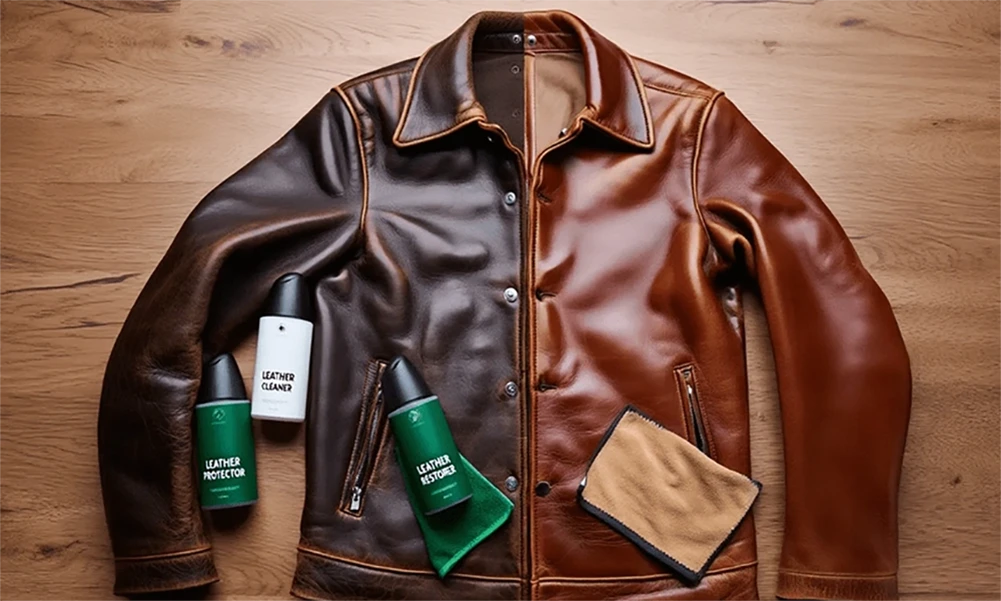
Using the right care products is key. Leather care kits and supplies can make maintenance easy:
- Leather Cleaner: Use a pH-balanced leather cleaner (liquid or foam). These gently lift dirt without harsh detergents. Apply with a soft cloth in circular motions and wipe off residue. Test on a hidden area first.
- Leather Conditioner: Look for cream or oil formulas (lanolin, mink oil, beeswax) to restore moisture. Avoid silicone-based or petroleum products, which can dry leather over time. Conditioners keep the leather soft, prevent cracking, and even add a bit of sheen. For example, LVH Leather often uses natural beeswax-based conditioners to nourish and protect its jackets.
- Waterproofing Sprays/Waxes: A spray or wax coat (silicone or wax formula) repels rain and snow. Apply lightly before spring showers or winter storms. Reapply as needed if you notice water soaking in. Popular options include beeswax creams and spray-on protectants.
- Repair Kits: Leather repair kits (with adhesive, color pigment, and filler) can fix minor cracks, holes, or color fade. Follow instructions carefully. For extensive damage (large tears, severe fading), consider professional restoration. Brands like Leather Honey or Armor All make DIY kits, but use them sparingly and practice on a hidden spot.
- Tools: Always use soft brushes or microfiber cloths for cleaning; never scratch with rough pads. A suede brush is for suede/nubuck only. Keep a soft-bristle brush or lint-free cloth handy, plus clean towels for blotting spills.
- Storage Accessories: Invest in padded hangers and a breathable garment bag. Cedar blocks or activated charcoal packs can deter mold. LVH Leather advises against plastic covers; leather must breathe.
Handling Stains, Mold, and Damage
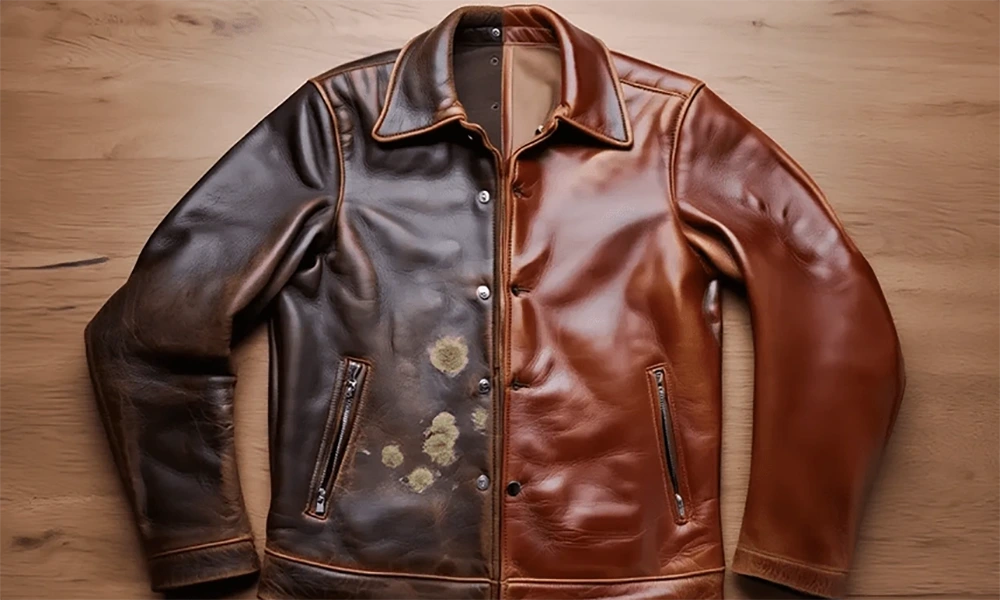
Even with care, accidents happen. Address problems promptly to avoid long-term damage:
- Mold and Mildew: Keep humidity low (ideally under 65%). If you spot mold, mix equal parts water and rubbing alcohol and gently wipe the area. Then wipe with a clean, damp cloth and let the jacket dry fully. For severe cases, use a dehumidifier in the closet. LVH Leather notes that prompt action (cleaning and drying) is crucial to stopping mold from spreading.
- Water Exposure: Never leave wet jackets crumpled or in plastic. Air dry naturally. Once dry, condition the leather to replace lost moisture. Avoid drying over heat sources.
- Oil/Grease Stains: Act fast. Cover the spot with cornstarch, talcum powder, or baking soda and let it sit 6–12 hours. The powder absorbs oil; then brush it off and condition. If any stain remains, repeat or use a specialty leather stain remover.
- Scuffs and Scratches: Many minor scuffs can be buffed out by working a bit of conditioner or leather cream into the area. For deeper scratches, a small amount of matching leather colorant (from a repair kit) can camouflage damage. Test any dye or polish in an inconspicuous spot first.
- Cracks and Dry Leather: Regular conditioning prevents cracks; if cracks do appear, apply a generous coating of conditioner or neatsfoot oil to rehydrate the fibers slowly. For very old or brittle leather, professional re-dyeing or reconditioning may be needed.
- Professional Cleaning: For stubborn stains (ink, deep-set grease), severe wear, or moldy jackets, consult a pro. They use pH-balanced cleaners and techniques (re-dye, re-oil, and top coatings) that consumers usually can’t replicate. A reputable leather specialist (often available at dry cleaners) can revive a jacket that home methods can’t fix.
Following these best practices will help any leather jacket, from a vintage bomber to a new LVH Leather design, stay beautiful through every season. Remember that consistency is key: a little care now goes a long way toward preserving the life and style of your investment. Treat your jacket with respect, use the right products, and enjoy its supple elegance for years to come. And if you’re planning to buy a new jacket soon, make sure to read our expert guide on choosing the perfect leather jacket for your body type so you invest in a style that lasts.