


When it comes to building a foundational wardrobe, few items carry the same weight of expectation as a leather jacket. For decades, it has remained a symbol of rebellion, sophistication, and timeless style. However, the price tag of a high-quality leather piece often prompts a vital question for the modern consumer: Is a leather jacket actually worth the investment?
At LVH Leather, we believe that a garment should be more than just a temporary fashion statement. It should be a long-term asset. To truly understand the value of leather, one must look beyond the initial cost and examine the craftsmanship, the science of the material, and the economic principle of cost-per-wear.
The Economics of Fashion: Understanding Cost-Per-Wear
The most common mistake in fashion consumption is focusing solely on the “sticker price.” A synthetic jacket might cost fifty dollars, while a premium full-grain leather jacket might cost five hundred dollars. On the surface, the synthetic option seems like the better deal. However, the math of “cost-per-wear” tells a different story.
According to fashion experts at Vogue, a capsule wardrobe relies on items that can be worn hundreds of times over several years. A cheap synthetic or “faux” leather jacket is typically made of Polyurethane (PU), which is a plastic-based material. These jackets often begin to peel, crack, and lose their shape within one or two seasons. If you replace a fifty-dollar jacket every year for ten years, you have spent five hundred dollars on a product that consistently looks worn out.
In contrast, a genuine leather jacket from a reputable maker can easily last twenty years or more. When you divide the initial investment by the hundreds of times you will wear it over two decades, the cost drops to pennies per wear. This makes premium leather one of the most financially sound additions to any closet.
Material Science: Why Real Leather Ages Like Fine Wine
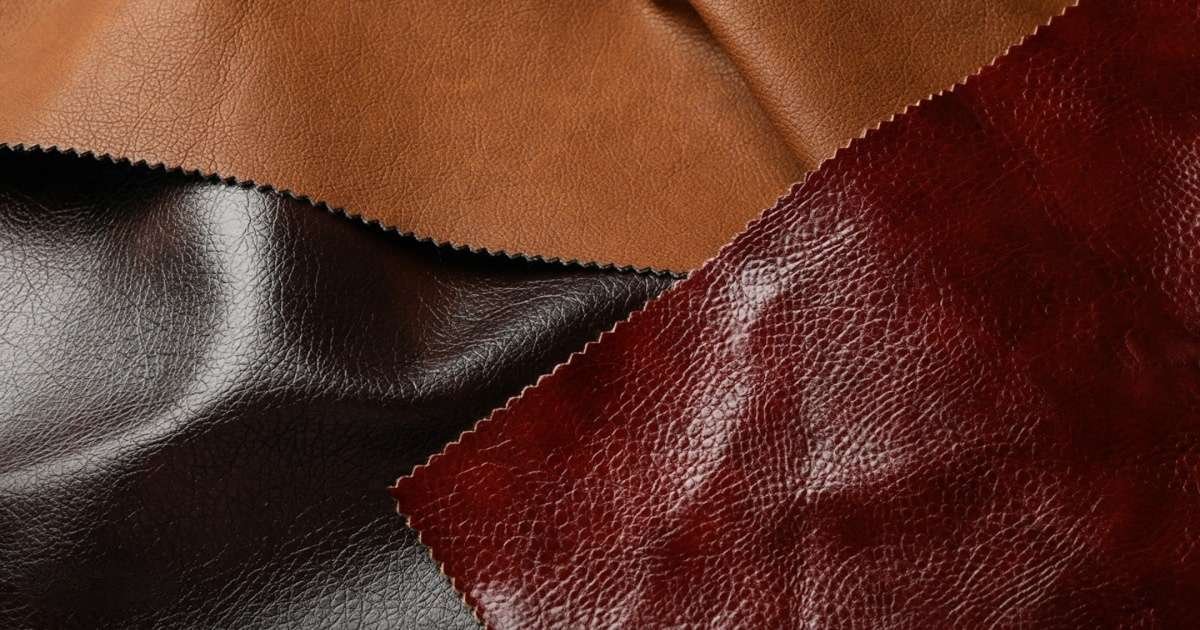
The primary reason for the longevity of a leather jacket lies in the biological structure of the material. Unlike fabric or plastic, leather is a natural hide that has undergone a sophisticated tanning process to preserve its strength and flexibility.
The Superiority of Full-Grain Leather
Not all leather is created equal. To ensure your investment is worthwhile, you must understand the grades of leather. Full-grain leather is the highest quality available. it includes the outermost layer of the hide, which contains the toughest fibers. This grade of leather is not sanded or buffed to remove imperfections, meaning it retains the natural strength and breathability of the skin.
Lower grades, such as “genuine leather” (which is often a marketing term for corrected-grain or bonded leather), use the weaker inner layers of the hide. These products lack the structural integrity required to last for decades. At LVH Leather, we prioritize the use of high-grade skins because they develop what is known as a “patina.”
The Beauty of the Patina
A patina is the soft sheen and character that develops on the surface of real leather over time. As the jacket is exposed to the elements and the oils from your skin, it changes color and texture, becoming more supple and unique to the wearer. While other materials degrade and look “old,” high-quality leather simply looks “vintage.” This transformation is a hallmark of luxury that synthetic materials can never replicate. For a deep dive into how hides are processed, Britannica offers an excellent overview of the historical and technical tanning methods.
Versatility: The Hero Piece of a Capsule Wardrobe
An investment is only valuable if it is functional. A leather jacket is perhaps the most versatile item a person can own. It transcends seasons and social settings with ease.
- The Casual Look: Paired with a simple white t-shirt and denim, a leather jacket provides an instant edge that requires zero effort.
- The Professional Pivot: For many modern workplaces, a sleek leather bomber or blazer-style jacket can replace a traditional suit jacket, offering a look that is both professional and approachable.
- Nightlife Sophistication: Whether draped over a floral dress or worn with tailored trousers, it adds a layer of protection and style for evening events.
Because it works with almost everything, you do not need to buy multiple jackets for different occasions. This versatility reinforces the “slow fashion” movement, encouraging consumers to buy fewer, better things.
The Sustainability Angle: Why Leather is the Eco-Friendly Choice
In an era of environmental consciousness, the sustainability of leather is often debated. However, when compared to the alternatives, the environmental argument for real leather is compelling.
Most “vegan leather” is essentially plastic. As reported by The New York Times, synthetic fashion contributes significantly to microplastic pollution and landfill waste. Because synthetic jackets fall apart quickly, they are frequently discarded, leading to a cycle of waste.
Real leather is a byproduct of the food industry. By turning hides into long-lasting garments, we prevent them from going to waste in landfills. Furthermore, because a leather jacket lasts for decades, it reduces the demand for the constant production of new synthetic goods. When you invest in leather, you are opting out of the “throwaway culture” that currently plagues the global environment.
How to Identify a High-Quality Investment Jacket
If you are going to commit to a premium price point, you must know what to look for. A leather jacket’s value is found in the details that are often hidden at first glance.
The Hardware and Zippers
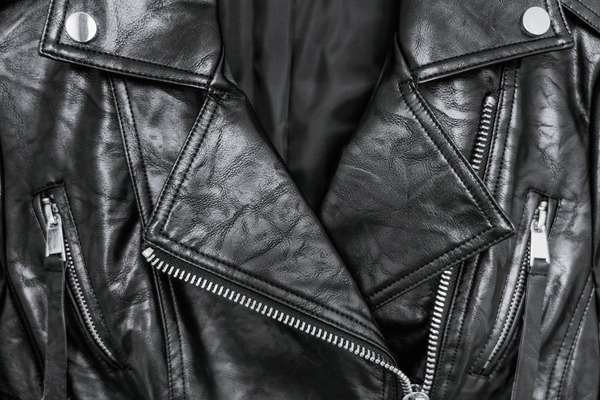
The hardware is usually the first thing to fail on a low-quality jacket. High-end manufacturers use YKK zippers or heavy-duty brass and stainless steel components. These parts should feel substantial and glide smoothly. If the zipper feels flimsy or catches frequently, the jacket will likely not survive a decade of use.
The Stitching and Construction
Check the seams of the jacket. Investment-grade leather requires high-density stitching with heavy-duty thread. The lines should be straight, and there should be no loose ends. In high-stress areas like the armpits and pockets, you should look for reinforced stitching or rivets.
The Lining
While the exterior is leather, the interior lining dictates the comfort level. Cheap jackets often use thin polyester that tears easily. A worthy investment piece will often feature a breathable cotton, silk, or high-grade viscose lining that feels comfortable against the skin and adds to the jacket’s overall structure.
Resale and Heritage Value: An Unexpected Asset
Unlike many other fashion items, a well-maintained leather jacket can actually hold its value. The market for “pre-loved” or vintage leather is booming. High-quality pieces from reputable brands often sell for a significant portion of their original price on secondary markets.
Beyond financial resale, there is the “heritage factor.” A premium leather jacket is an heirloom. It is a piece that can be passed down from a father to a son or a mother to a daughter. This emotional and historical value is something that cannot be quantified by a price tag. It becomes a part of your personal history, carrying the marks and memories of the years you spent wearing it.
Maintenance: Protecting Your Investment
To ensure your leather jacket remains a lifetime companion, a small amount of maintenance is required. This is a simple process that pays off in the long run.
- Conditioning: Every six to twelve months, apply a specialized leather conditioner to keep the hide hydrated and prevent cracking.
- Storage: Always hang your jacket on a wide, padded hanger to maintain its shoulder shape. Never store leather in a plastic bag, as the material needs to breathe.
- Moisture Control: If your jacket gets wet, let it air dry naturally away from direct heat sources like radiators, which can make the leather brittle.
For more specific care instructions, the Professional Leather Cleaners Association provides resources on how to handle stains and long-term preservation.
Conclusion: The Final Verdict
Is a leather jacket worth the investment? If you value durability, timeless style, and environmental responsibility, the answer is a resounding yes. While the initial cost may be higher than that of a standard coat, the longevity and versatility of leather make it one of the most cost-effective purchases you can make.
A leather jacket is more than just clothing. It is an armor against the elements, a confidence booster, and a companion that grows better with age. When you choose a piece from LVH Leather, you are not just buying a jacket. You are investing in a legacy of craftsmanship that will serve you for years to come.
Frequently Asked Questions (FAQ)
1. How long does a real leather jacket typically last?
With proper care, a high-quality leather jacket can last between 20 to 50 years. Some vintage pieces are still in excellent condition after even longer periods.
2. Is it better to buy lambskin or cowhide?
It depends on your needs. Lambskin is softer, lighter, and more luxurious, making it ideal for fashion jackets. Cowhide is thicker, heavier, and more durable, making it the preferred choice for motorcycle protection and rugged wear.
3. Does leather stretch over time?
Yes, leather is a natural material that will stretch slightly to conform to your body shape. It is usually best to buy a jacket that fits snugly but comfortably at first.
4. Can you wear a leather jacket in the rain?
Occasional light rain will not ruin a leather jacket, but you should avoid soaking it. Always allow it to air dry naturally and apply a conditioner afterward to restore lost oils.