


In an era dominated by fast fashion and transient trends, the modern consumer is increasingly asking a vital question: Is a leather jacket worth the investment? With price tags for high-quality pieces often reaching several hundred dollars, the hesitation is understandable. However, when you look beyond the initial cost and analyze the long-term value, it becomes clear that a premium leather jacket is one of the few items in a wardrobe that actually pays for itself over time.
At LVH Leather, we believe that a leather jacket is not merely a piece of clothing. It is a heritage item, a protective layer, and a personal statement that evolves with the wearer. This guide explores the technical, financial, and stylistic reasons why investing in genuine leather is a decision you will never regret.
The Sartorial Heritage of the Leather Jacket
The journey of the leather jacket from functional military gear to a global fashion icon is a testament to its enduring appeal. Originally designed as “flight jackets” for pilots in World War I, these garments were engineered to provide warmth and protection in open-cockpit planes at high altitudes. According to historical records from the Smithsonian Institution, the durability of leather was the only material capable of withstanding such extreme conditions.
By the mid-20th century, the leather jacket transitioned into a symbol of rebellion and cool, popularized by Hollywood icons. Today, it has matured into a versatile staple that transcends age, gender, and social status. Its history proves one thing: while other fabrics come and go, leather remains permanent.
Decoding Leather Quality: Full-Grain vs. The Rest
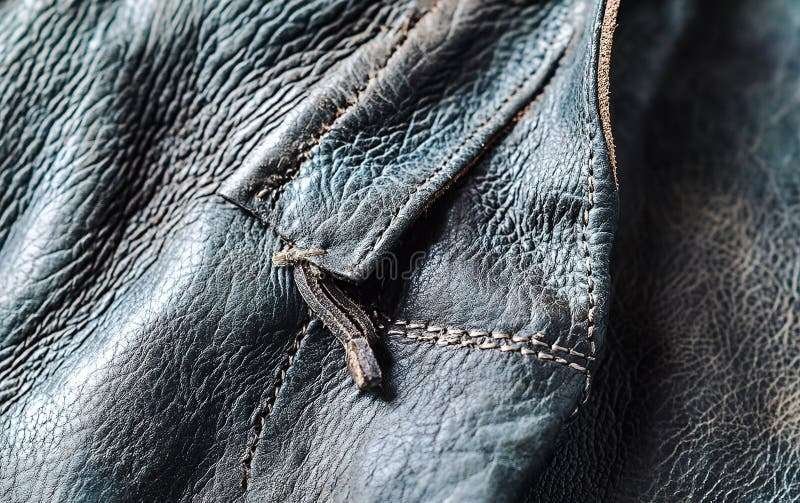
To understand the investment value, you must first understand what you are paying for. Not all leather is created equal, and the terminology used in the industry can often be misleading for the average shopper.
Full-Grain Leather: The Gold Standard
Full-grain leather is the highest quality available. It comes from the top layer of the hide and includes all of the natural grain. Because it is not sanded or buffed to remove imperfections, it remains incredibly strong and breathable. One of the most unique characteristics of full-grain leather is the “patina.” Over years of use, the leather absorbs oils and develops a rich sheen that makes the jacket look better as it ages.
Top-Grain Leather
Top-grain is the second-highest grade. The very top layer is sanded down to remove scars or marks, and then a finish is applied. While it is more pliable and uniform in appearance than full-grain, it lacks the same level of long-term durability and does not develop a patina.
Genuine Leather: A Marketing Trap
Many consumers see the label “Genuine Leather” and assume it means high quality. In reality, this is a term for the lower tiers of real leather. It is often made from the remaining layers of the hide after the top sections are stripped away. It lacks the structural integrity of premium leather and is prone to peeling and cracking within a few years.
The Economics of Fashion: Understanding Cost-Per-Wear
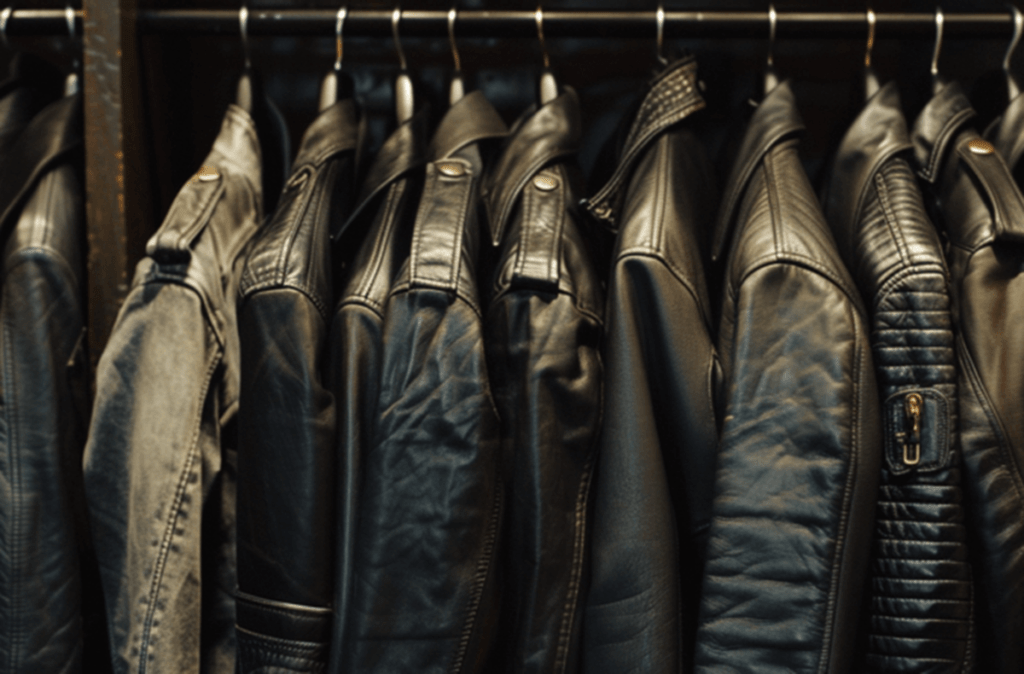
The most logical way to justify the price of a premium leather jacket is through the “Cost-Per-Wear” (CPW) formula. Most people are accustomed to buying cheap, synthetic jackets for $60 or $80. These jackets usually last one or two seasons before the zippers break or the “vegan leather” (which is essentially plastic) begins to flake.
Now, consider a premium leather jacket from LVH Leather priced at $300. If that jacket lasts for 20 years (a conservative estimate for full-grain leather) and you wear it 30 times a year, the math looks like this:
- Total Cost: $300
- Total Wears: 600
- Cost-Per-Wear: $0.50
When compared to a synthetic jacket that costs $80 but only lasts 40 wears before needing replacement, the premium leather jacket is significantly more economical in the long run. Real leather is an asset, while fast fashion is a recurring expense.
Anatomy of a Premium Jacket: Hardware and Craftsmanship
A jacket is only as strong as its weakest component. While the leather is the star of the show, the secondary materials determine the overall lifespan of the garment.
High-quality jackets use specialized hardware such as YKK Zippers, which are recognized globally for their reliability and smooth operation. Cheap zippers are the primary cause of jacket failure, often rendering an otherwise good garment useless.
Furthermore, the stitching must be executed with heavy-duty nylon or polyester threads. Double-stitching at the stress points, such as the shoulders and pockets, ensures that the jacket can withstand the physical rigors of daily movement. The lining is another crucial factor. While cheap jackets use thin polyester that tears easily, premium brands opt for breathable cotton or viscose linings that provide comfort and longevity.
Versatility: One Jacket for Every Occasion
An investment-worthy item must be versatile. The leather jacket excels here because it can be styled in infinite ways.
- The Casual Edge: Pair a black biker jacket with a plain white t-shirt and raw denim for a timeless, effortless look.
- The Professional Pivot: A clean, minimalist leather bomber can be worn over a dress shirt and chinos, replacing a traditional blazer for a modern business-casual aesthetic.
- The Seasonal Bridge: Leather is an excellent insulator. It provides enough warmth for autumn and spring, and it can be layered with hoodies or sweaters for winter.
This versatility means you need fewer jackets in your wardrobe, which aligns with the principles of a Capsule Wardrobe. By owning one perfect leather piece, you eliminate the need for multiple mediocre outer layers.
The Sustainability Angle: Choosing Planet over Plastic
In the modern world, sustainability is a key part of the value proposition. Most affordable “leather” jackets are made from Polyurethane (PU) or Polyvinyl Chloride (PVC). These are petroleum-based plastics that take hundreds of years to decompose in landfills. Furthermore, the production of these synthetic materials releases harmful chemicals into the environment.
Real leather is a byproduct of the food industry. When sourced responsibly and tanned using ethical methods, it is a much more sustainable choice. Because a real leather jacket lasts for decades, it reduces the demand for “disposable” fashion, thereby lowering the overall carbon footprint of your wardrobe. Buying one high-quality item every ten years is always better for the planet than buying ten low-quality items in the same timeframe.
How to Identify a Worthy Investment Piece
When you are shopping, use these three tests to ensure you are getting real value:
- The Scent Test: Real leather has a distinct, earthy, and rich aroma. If it smells like chemicals or plastic, it is likely synthetic or heavily treated low-grade leather.
- The Texture Test: Real leather has pores and slight irregularities. If the surface looks perfectly symmetrical and feels like rubber, walk away.
- The Water Test: Genuine leather is porous. If you place a tiny drop of water on an inconspicuous area, it should eventually be absorbed. On synthetic leather, the water will simply bead up and slide off.
Caring for Your Investment
To ensure your jacket lasts a lifetime, a small amount of maintenance is required. You should treat your jacket with a high-quality leather conditioner once a year to keep the hide hydrated and prevent it from drying out. If the jacket gets wet in the rain, always hang it on a wide, padded hanger and let it air dry naturally away from direct heat sources like radiators. Proper storage is also essential; never store leather in a plastic bag, as the material needs to breathe to maintain its structural integrity.
The LVH Leather Perspective: Our Commitment
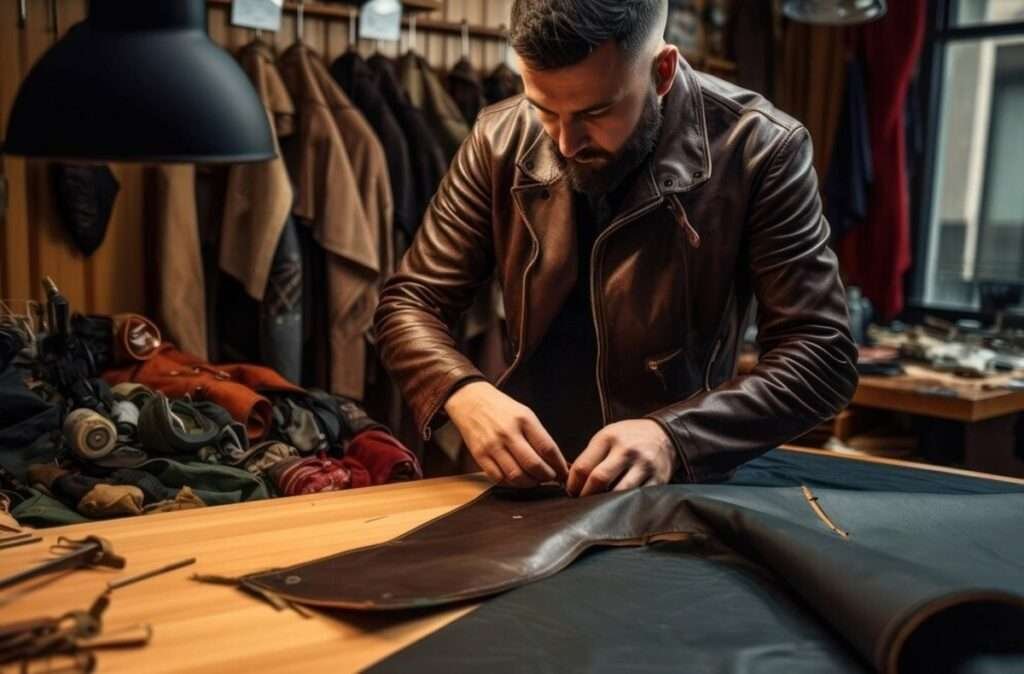
At LVH Leather, our philosophy centers on the marriage of traditional craftsmanship and modern design. We source premium hides and work with skilled artisans who understand the nuances of leather construction. We do not take shortcuts. Every seam, every zipper, and every cut of leather is scrutinized to ensure it meets the standards of an investment-grade garment.
We believe that when you buy a jacket from us, you are not just making a purchase. You are starting a journey with a piece of apparel that will witness your life’s milestones and eventually become a part of your identity.
Conclusion: The Verdict
Is a leather jacket worth the investment? If you value quality, sustainability, and timeless style, the answer is a resounding yes. While the upfront cost may be higher than a standard jacket, the longevity and character it develops make it one of the most cost-effective purchases a person can make.
A leather jacket is more than fashion. It is an armor of confidence that only grows stronger with age. When you choose a brand like LVH Leather, you are choosing a piece that will remain a staple in your wardrobe long after other trends have faded into obscurity. Invest in quality today, and you will enjoy the returns for decades to come.
Frequently Asked Questions
How long should a real leather jacket last?
With basic care, a high-quality full-grain leather jacket can easily last 20 to 50 years. Many are passed down as family heirlooms.
Does real leather peel over time?
No, genuine high-grade leather does not peel. Peeling is a sign of synthetic (PU) leather or very low-quality “bonded” leather, where a thin layer of leather is glued onto a plastic backing.
Can I wear my leather jacket in the rain?
Occasional rain will not ruin a leather jacket, but you should never soak it. If it gets wet, dry it properly and apply a conditioner afterward to restore the natural oils.
Why is full-grain leather more expensive?
It is more expensive because it uses the strongest part of the hide and requires more skill to work with. It also lasts much longer than any other grade of leather, providing better value over time.