


A premium leather jacket is more than just a piece of clothing; it is a long-term investment that evolves with you. At LVH Leather, we believe that the character of a handcrafted leather garment only improves with time, provided it receives the right care. Whether you own a rugged biker jacket or a sleek bomber, knowing how to clean and maintain the hide is essential to preserving its suppleness and natural luster.
Many owners feel intimidated by the idea of cleaning leather at home, often fearing they might ruin the texture or cause the material to crack. However, with the right techniques and a bit of patience, you can maintain your jacket’s pristine condition without expensive professional services. This guide provides a detailed, step-by-step approach to leather care, covering everything from routine dusting to advanced stain removal.
Understanding the Anatomy of Your Leather Jacket
Before you apply any cleaning agent, you must identify the type of leather you are working with. Not all hides react the same way to moisture or cleaners. According to the Leather Working Group, the global standard for responsible leather manufacturing, the processing of the hide determines its durability and reaction to environmental factors.
1. Smooth Finished Leather
Most jackets from LVH Leather are made from smooth, finished leather, such as cowhide or sheepskin. These have a protective top coat that makes them slightly more resistant to water and stains.
2. Suede and Nubuck
These materials have a “nap” or a fuzzy texture. They are highly porous and can be easily ruined by liquid cleaners. Suede requires specialized brushes and dry cleaning methods.
3. Aniline and Semi-Aniline Leather
Aniline leather is dyed with soluble dyes without covering the surface with a topcoat. This results in a very natural look but makes the jacket highly susceptible to staining and sunlight damage.
4. Faux or Synthetic Leather
While LVH Leather specializes in genuine hides, synthetic leather is common in the market. These materials are plastic-based (usually PU or PVC) and require different chemical treatments compared to organic animal skin. For a deeper understanding of hide classifications, you can explore the Wikipedia page on Leather.
The Essential Leather Cleaning Toolkit
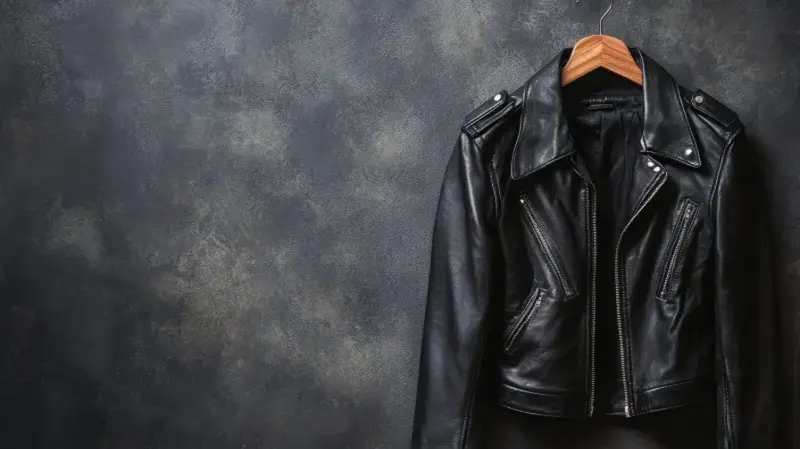
To achieve professional results at home, you need the right tools. Avoid using household detergents or glass cleaners, as these can strip the natural oils from the leather.
- Distilled Water: Tap water often contains minerals that can leave white streaks on dark leather.
- pH-Balanced Soap: Use a dedicated leather soap or a very mild, fragrance-free baby soap.
- Microfiber Cloths: These are essential because they do not lint and are soft enough to avoid scratching the grain.
- Soft-Bristled Brush: A horsehair brush is ideal for removing dust from seams and zippers.
- Leather Conditioner: This is the most critical step to prevent the leather from drying out and cracking over time.
- Cornstarch or Baking Soda: Essential for treating oil-based stains.
Step-by-Step Guide: Cleaning Your Leather Jacket at Home
Step 1: The Dry Dusting Phase
Begin by hanging your jacket on a sturdy, padded hanger. Use a dry microfiber cloth or a soft brush to remove surface dust, lint, and loose dirt. Pay close attention to the collar, cuffs, and pockets, as these areas accumulate the most debris. Removing dry dirt prevents it from turning into mud once moisture is introduced.
Step 2: The Spot Test
Never apply a cleaning solution to the entire jacket immediately. Choose a small, inconspicuous area, such as the inside of the hem or under the armpit. Apply a small amount of your cleaning mixture and wait ten minutes. If the color remains stable and there is no spotting, you can proceed.
Step 3: Gentle Surface Cleaning
Mix a few drops of mild soap into a bowl of distilled water. Dip a microfiber cloth into the solution and wring it out thoroughly until it is only slightly damp. Gently wipe the surface of the leather in circular motions. Avoid soaking the leather; excess water is the primary cause of stiffness in dried leather.
Step 4: Cleaning the Interior Lining
The lining of a jacket often absorbs sweat and body oils. To clean the lining, pull it away from the leather shell if possible. Use the same damp cloth method with a bit more soap. If the lining is silk or satin, use extreme caution. For persistent odors, a light mist of a water and white vinegar solution (50/50 mix) can help neutralize bacteria without damaging the fabric.
Step 5: The Drying Protocol
This is the stage where most people make mistakes. Never use a hair dryer, a radiator, or direct sunlight to dry a leather jacket. High heat evaporates the natural oils within the leather fibers, leading to permanent cracking. Instead, let the jacket air dry in a cool, well-ventilated room. This process may take up to 24 hours.
Advanced Stain Removal Techniques
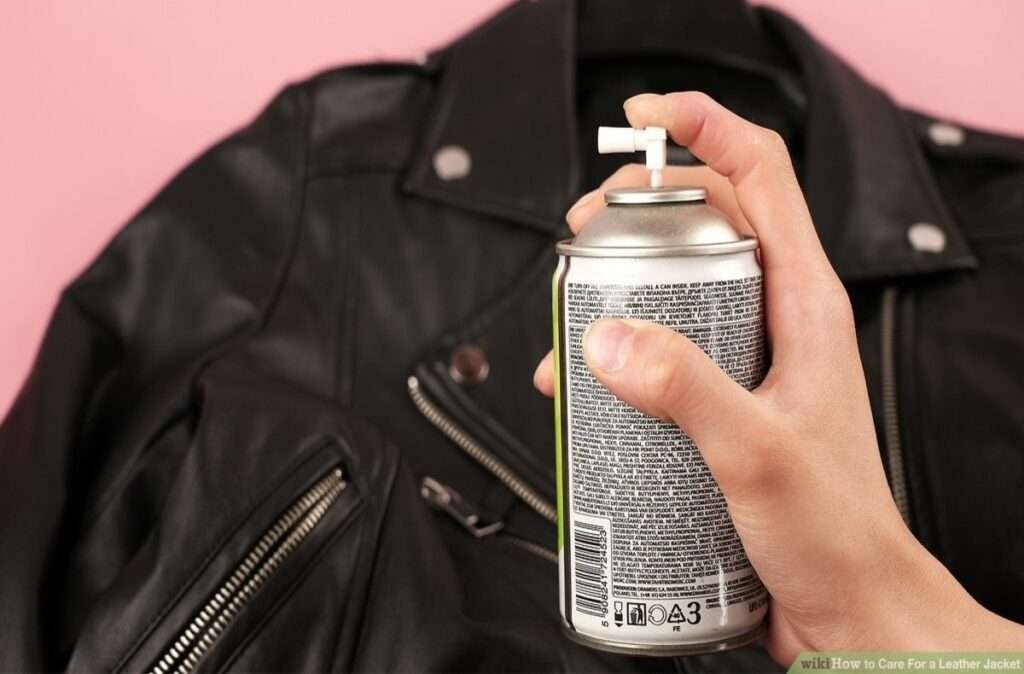
Even with careful wear, accidents happen. Dealing with specific stains requires a targeted approach to ensure the hide is not compromised.
Removing Oil and Grease Stains
If you spill food or oil on your jacket, do not rub it with water. Rubbing will only push the oil deeper into the pores. Instead, sprinkle a generous amount of cornstarch or baking soda on the spot. Let it sit for at least six hours or overnight. The powder will lift the oil out of the leather. Gently brush the powder away with a soft cloth.
Dealing with Ink Stains
Ink is notoriously difficult to remove from organic materials. For fresh ink, a cotton swab dipped in a small amount of isopropyl (rubbing) alcohol can work. Drip the swab on the ink and blot carefully. Do not rub, as this will spread the ink. Once the ink is lifted, immediately apply leather conditioner to the area, as alcohol is extremely drying.
Tackling Mold and Mildew
If a jacket is stored in a humid environment, mold may develop. According to the cleaning experts at Good Housekeeping, a mixture of one part rubbing alcohol and one part water can kill mold spores. Wipe the affected area gently and dry it immediately.
| Leather Type | Cleaning Method | Frequency |
| Smooth Finished | Damp cloth and mild soap | Every 3 to 6 months |
| Suede/Nubuck | Dry brush and suede eraser | After every 5 wears |
| Aniline | Professional cleaning only | Once a year |
| Faux Leather | Mild detergent and water | As needed |
The Crucial Role of Conditioning
Leather is a porous, organic material that requires hydration. Over time, the environment strips away the natural fats and oils that keep the leather supple. Conditioning is essentially “moisturizing” the skin.
Once your jacket is clean and completely dry, apply a high-quality leather conditioner. Put a small amount on a soft cloth and rub it evenly over the entire surface. The conditioner will sink into the pores, creating a barrier against moisture and helping the leather maintain its flexibility. At LVH Leather, we recommend conditioning your jacket at least twice a year, or more frequently if you live in a very dry or cold climate.
Seasonal Storage and Maintenance Tips
How you store your jacket is just as important as how you clean it. Improper storage can lead to permanent creases or even dry rot.
- Use Padded Hangers: Narrow plastic or wire hangers can distort the shoulder shape of a heavy leather jacket. Use wide, padded, or wooden hangers to maintain the silhouette.
- Avoid Plastic Covers: Never store leather in plastic bags. Leather needs to “breathe.” Plastic traps moisture, which leads to mold growth. Use a breathable cotton garment bag instead.
- Climate Control: Store your jacket in a cool, dry place. Excessive heat causes drying, while basement dampness leads to the growth of mildew.
- Give it a Break: Avoid wearing the same leather jacket every day. Giving the leather 24 hours to “rest” between wears allows it to shed absorbed moisture from your body.
Frequently Asked Questions (FAQs)
Can I put my leather jacket in the washing machine?
Absolutely not. The mechanical agitation of a washing machine, combined with the large volume of water, will strip the leather of its essential oils and cause it to shrink or lose its shape permanently.
How do I remove a “musty” smell from a vintage leather jacket?
The best way to remove odors is to use activated charcoal or baking soda. Place the jacket in a large container with an open box of baking soda for 48 hours. The baking soda will absorb odors without coming into contact with the leather.
Can I use olive oil or coconut oil as a conditioner?
While it may seem like a natural solution, vegetable oils can go rancid over time. This leads to unpleasant smells and can actually attract bacteria that degrade the leather. Always use a pH-balanced product specifically formulated for leather.
What should I do if my jacket gets soaked in the rain?
If you are caught in a downpour, towel-dry the jacket immediately. Hang it on a padded hanger and let it air dry naturally at room temperature. Once dry, apply a generous layer of conditioner to restore the oils that the rainwater may have displaced.
Conclusion: Preservation is the Key to Style
Owning a leather jacket is a journey. By following these professional cleaning and maintenance steps, you ensure that your LVH Leather garment remains a staple of your wardrobe for decades. Regular dusting, careful spot cleaning, and consistent conditioning are the secrets to a jacket that looks better on its tenth anniversary than it did on its first.
If you are dealing with an extremely rare vintage piece or a very deep stain that won’t budge, it is always wise to consult a professional leather specialist. For more information on premium leather craftsmanship and style guides, explore our latest collections and care tips on our main blog page