


A high-quality leather jacket is more than just a piece of clothing. It is an investment, a style statement, and often, a companion that grows more character with age. Unlike synthetic materials that deteriorate over time, genuine leather possesses a unique biological structure that allows it to last for decades if treated with respect.
At LVH Leather, we believe that craftsmanship is only half the story. The other half is how you care for your jacket once it leaves our hands. This guide provides a modern, research-backed approach to leather maintenance, ensuring your jacket remains as supple and vibrant as the day you first wore it.
Understanding the Anatomy of Your Leather Jacket
Before diving into cleaning methods, it is vital to understand what leather actually is. Leather is a natural, porous material that once belonged to a living animal. Just like your own skin, it contains fibers and pores that need to breathe and retain a specific moisture balance.
When leather loses its natural oils, the fibers become brittle and eventually snap, leading to what we commonly call “cracking.” Conversely, if the leather is exposed to excessive moisture without proper drying, it can develop mold or lose its structural integrity. According to the Leather Working Group, the sustainability and longevity of leather are directly tied to how well the material is preserved post-tanning.
Differentiating Between Leather Types
Maintenance routines vary depending on the type of hide used. For instance, cowhide is rugged and thick, making it more resilient to daily wear. Sheepskin, which is frequently used in LVH Leather premium collections, is much softer and more porous, requiring a gentler touch. Suede and nubuck are even more delicate because their protective top grain has been removed or sanded, leaving the fibers exposed to stains.
The Foundation of Routine Cleaning
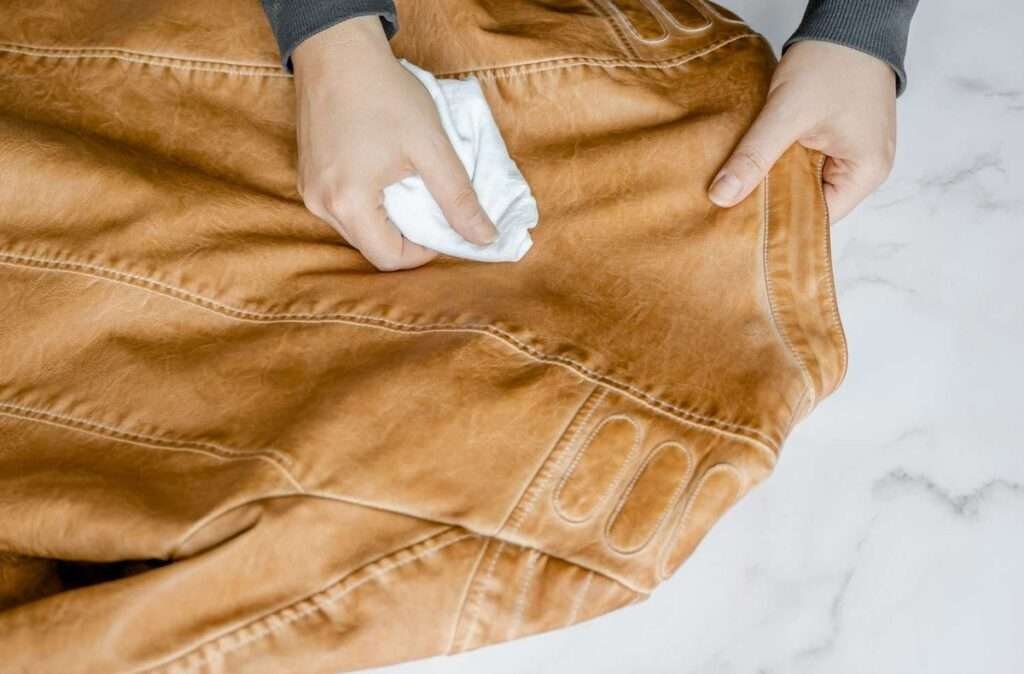
You do not need to wait for a visible stain to clean your jacket. In fact, the most effective maintenance is preventative. Dust, salt from sweat, and environmental pollutants can settle into the pores of the leather, acting like sandpaper that wears down the finish from the inside out.
The Weekly Wipe Down
For regular maintenance, use a dry, lint-free microfiber cloth to wipe the surface of your jacket. This simple act removes surface dust before it has a chance to settle deep into the grain. If the jacket feels slightly grimy, you may dampen the cloth very slightly with distilled water. Always ensure the cloth is damp, not soaking wet, as excess water is the primary enemy of leather.
Spot Cleaning Stains
If you encounter a specific stain, such as food or mud, the key is to act quickly. Use a pH-balanced leather cleaner. Avoid using dish soap or laundry detergents, as these are designed to strip away grease, which includes the natural oils your leather needs to stay soft. For a detailed look at the chemical composition of safe cleaning agents, you can refer to the National Cleaners Association guidelines on specialty fabric care.
Apply a small amount of cleaner to a cloth, not the jacket itself, and rub in a gentle circular motion. Always perform a “patch test” on a hidden area, such as the inside of the collar, to ensure the cleaner does not discolor the dye.
The Art of Conditioning: Restoring Essential Moisture
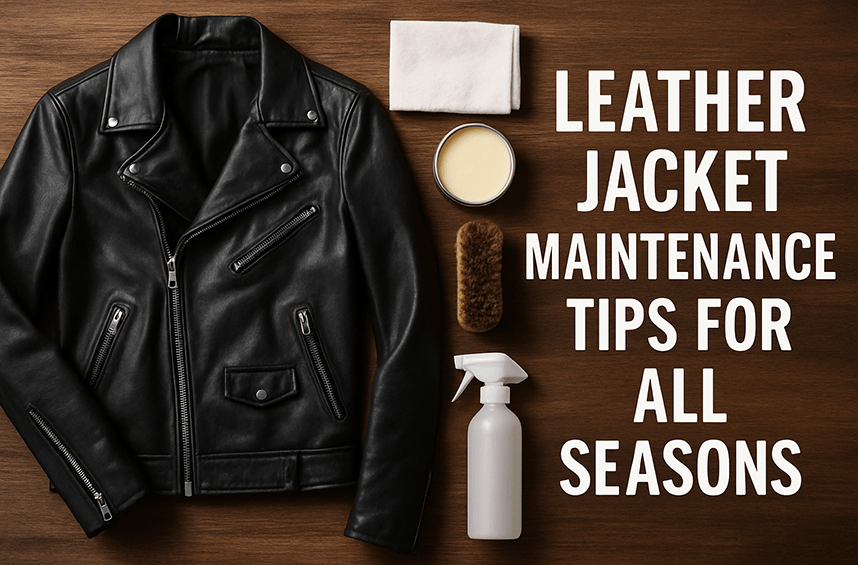
Conditioning is perhaps the most critical step in leather jacket maintenance. Over time, heat and air circulation evaporate the moisture within the leather fibers. Conditioning is the process of reintroducing these essential oils.
How Often Should You Condition?
For most climates, conditioning your jacket every six months is sufficient. However, if you live in a very dry area or a place with harsh winters, you may need to do this every three to four months. If the leather begins to feel stiff or looks dull, it is likely thirsty for a conditioner.
Choosing the Right Product
Avoid products containing silicone or petroleum, as these can seal the pores and prevent the leather from breathing. Instead, look for conditioners based on natural ingredients like mink oil, beeswax, or neatsfoot oil. A high-quality leather cream or balm is usually the best choice for fashion jackets because it absorbs deeply without leaving a greasy residue.
Application Steps
- Ensure the jacket is clean and completely dry.
- Apply a small amount of conditioner to a soft sponge or cloth.
- Massage the conditioner into the leather using circular motions, focusing on high-stress areas like the elbows and shoulders.
- Allow the jacket to sit for at least twenty minutes to let the oils penetrate the fibers.
- Use a clean, dry cloth to buff away any excess product.
Weather Protection and Emergency Care
Many people fear wearing their leather jackets in the rain, but modern leather is surprisingly resilient if handled correctly. The danger is not the water itself, but how the leather dries.
If Your Jacket Gets Wet
If you are caught in a downpour, do not panic. Shake off the excess water and hang the jacket on a wide, padded hanger. Allow it to air dry at room temperature. You must never place a wet leather jacket near a radiator or heater or use a hairdryer. Forced heat causes the leather to dry too quickly, which results in shrinking and permanent cracking.
UV Protection
Just as the sun damages your skin, prolonged exposure to UV rays can bleach the dye out of your leather and dry out the fibers. When you are at a cafe or an office, try not to leave your jacket draped over a chair in direct sunlight for hours at a time.
Proper Storage: The Key to Long-Term Survival
The way you store your jacket during the off-season will determine whether it lasts five years or fifty years. Improper storage is the leading cause of “leather rot” and structural warping.
The Hanger Matters
Never use thin wire hangers. The weight of a leather jacket is significant, and a thin hanger will create “bosses” or indentations in the shoulders that are nearly impossible to remove. Use a wide wooden hanger or a padded hanger that supports the entire shoulder span of the jacket.
Breathability is Non-Negotiable
Never store your leather jacket in a plastic bag. Plastic traps moisture, creates a humid environment, and is the perfect breeding ground for mold and mildew. Instead, use a breathable cloth garment bag or even an old cotton bedsheet to protect it from dust while allowing air to circulate.
Common Mistakes to Avoid
To maintain the integrity of your LVH Leather piece, please avoid the following common pitfalls:
- Using Shoe Polish: Shoe polish is designed for heavy-duty boot leather and often contains waxes that are too heavy for garment-grade leather. It can clog the pores and create a plastic-like appearance.
- Machine Washing: You should never, under any circumstances, put a leather jacket in a washing machine. The agitation and the volume of water will ruin the internal structure and the lining.
- Ignoring the Lining: The inner lining absorbs sweat and body oils. If the lining becomes odorous, seek professional help or use a specialized fabric freshener sparingly, ensuring it does not touch the leather.
Professional Care: When to Call the Experts
While home care is effective for routine maintenance, some issues require professional intervention. If your jacket has a deep ink stain, significant salt damage from winter roads, or a large tear, it is best to take it to a professional leather cleaner. These specialists use organic solvents that clean the leather without stripping its sole. For more information on finding a qualified professional, the Professional Leather Cleaners Association offers resources to help you locate experts in your area.
Frequently Asked Questions
Can I use Vaseline to condition my jacket?
While Vaseline is a petroleum jelly that provides a temporary shine, it is not recommended for high-quality leather. It can saturate the pores and eventually lead to the degradation of the stitching.
How do I remove a “musty” smell from an old jacket?
The best way to remove odors is through charcoal deodorizers or by hanging the jacket in a well-ventilated area (away from direct sunlight). Baking soda can also be placed in a small bowl inside the garment bag to absorb smells, provided it does not touch the leather directly.
Does real leather peel?
Genuine top-grain or full-grain leather does not peel. If a jacket is peeling, it is usually an indication that the material is “bonded leather” or synthetic polyurethane (PU). LVH Leather uses only authentic hides, which may scuff or scratch but will never peel like plastic.
Final Thoughts
A leather jacket is one of the few items in your wardrobe that can actually get better with age. By following these cleaning, conditioning, and storage protocols, you are not just maintaining a piece of clothing; you are preserving a craft. Treat your leather with care, and it will reward you with a lifetime of style and protection.
If you have further questions about the specific hide used in your LVH Leather jacket, feel free to contact our support team or explore our latest collection for more information on premium leather craftsmanship.